Nissan Note: in which generation which engine
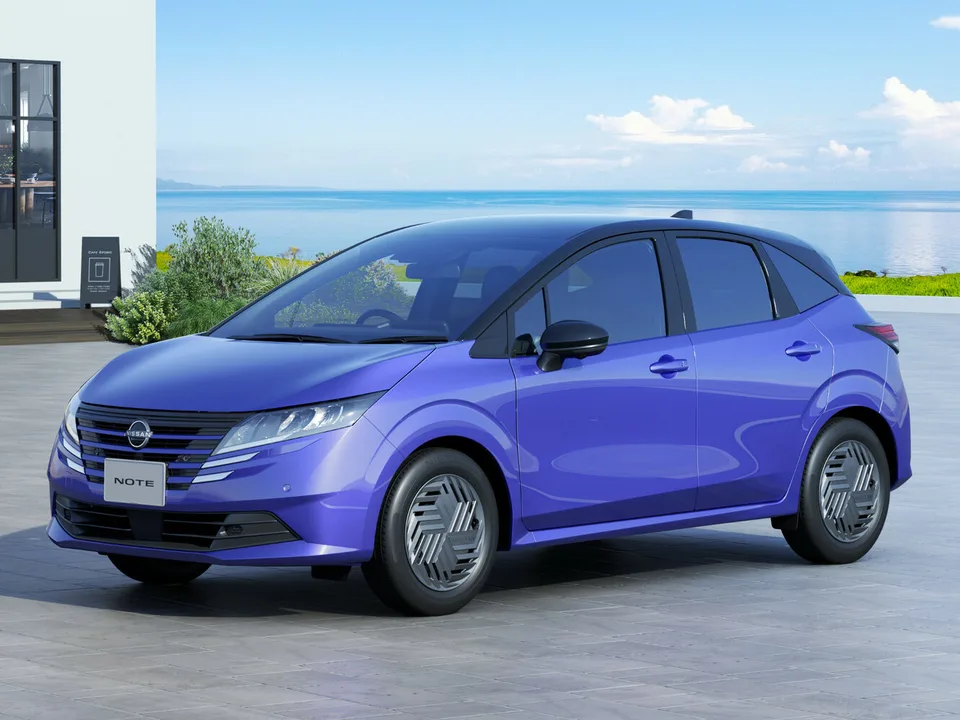
Under the same name Note, noticeably different cars were produced in Japan. At first, it was a compact hatchback with a conventional 1.5-liter petrol engine, then a car with a three-cylinder 1.2, and by the end of the second generation, the e-POWER appeared in the range, in which the wheels are rotated only by an electric motor. The year of manufacture itself does not answer the question of what is under the hood: from the end of 2016 to the end of 2020, petrol and hybrid Note were in parallel in Japanese records.
E11: regular petrol Note
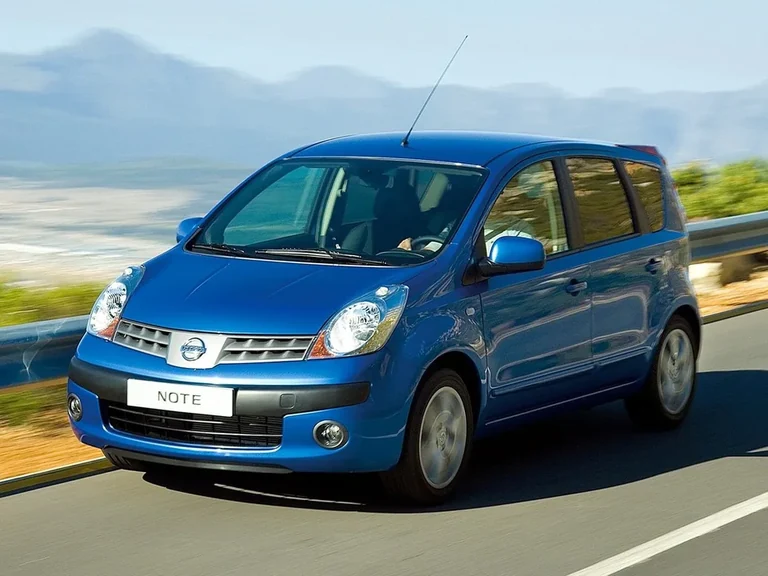
Japanese records of the first generation cover the years 2005-2012. There is only one engine – HR15DE with a volume of 1.5 liters and a capacity of 109 hp. Front-wheel drive versions come with a CVT, all-wheel drive – with a four-speed automatic transmission. All-wheel drive here is electric: there is no driveshaft, the rear axle is rotated by a separate electric motor, which is connected on a slippery surface.
After the 2008 update, the list was replenished: there was a 1.6 (HR16DE) engine of the same power of 109 hp, but with a manual transmission, and a 1.5 version with 116 hp, designed for AI-98 petrol. This is the only generation of Note where mechanics are found outside of sports versions.
E12: Three cylinders and a supercharged version
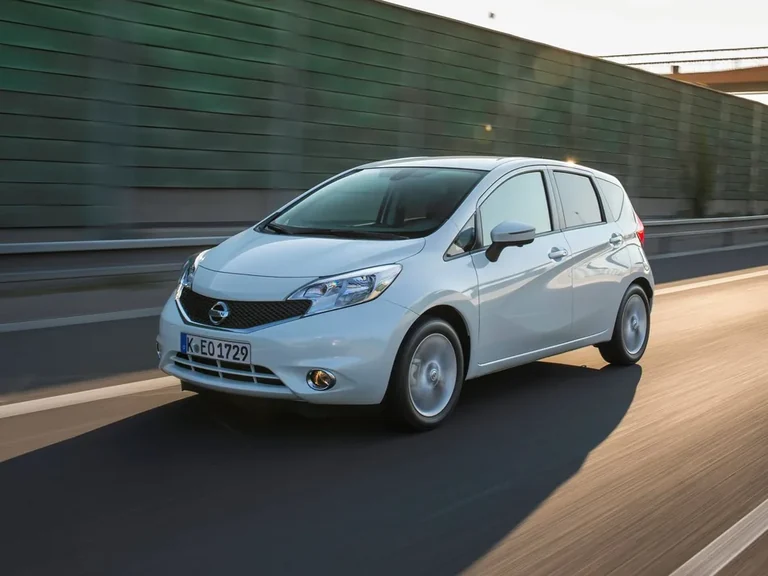
Since September 2012, the three-cylinder HR12DE has become the base – 1.2 liters and 79 hp. Some versions received a version of the same volume with supercharging, HR12DDR 98 hp. The gearbox in all cases is the same, CVT; the wheelbase remained the same, 2600 mm.
The body code of this generation is shared by the drive, but not by the engine: the DBA-E12 is front-wheel drive, the DBA-NE12 is full-wheel drive, and both powers, 79 and 98 hp, are found under the same DBA-E12 code. The power has to be looked at by the version entry itself, and not by the code.
E12 restyling: petrol and e-POWER side by side
The November 2016 update brought the main change in the history of the model – the e-POWER hybrid. It is arranged in series: the petrol engine is not connected to the wheels and works with a generator, and the movement is provided by an electric motor. In the records of this generation, the hybrid versions indicate 79 hp. for the internal combustion engine and 109 hp. for the electric motor.
The all-wheel drive e-POWER did not appear immediately: Japanese records of the X FOUR versions begin in July 2018. Nissan calls the device of this all-wheel drive directly – “4WD with the help of a motor”. The rear electric motor here is DC, 3.5 kW (4.8 hp) and 15 Nm; according to Nissan’s description, it connects when the system catches the slip of the front wheels, and does it before the driver notices it. The front motor in this generation is the EM57, up to 80 kW (109 hp) and 254 Nm. Separately, there are sports versions: petrol NISMO S with a 1.6 engine with 140 hp. and a five-speed manual, and since September 2018 – the hybrid E-POWER NISMO S, where 83 hp for the internal combustion engine and 136 hp for the electric motor are recorded.
This is where the body code becomes useful: DBA-E12 and DBA-NE12 are petrol versions, DAA-HE12 and DAA-SNE12 are hybrid. The drive is read by letters before the body index: HE12 – front, SNE12 – full, and the same logic works for petrol E12 and NE12.
E13: e-POWER only
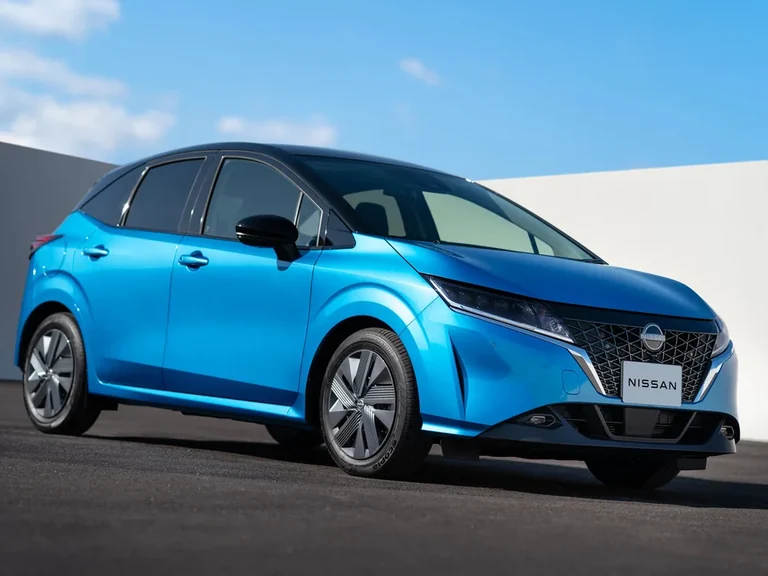
As of November 2020, there are no more petrol versions in the Japanese Note entries. The HR12DE engine produces 60 kW (82 hp) and 103 Nm, but in the specification it is called a motor for generating electricity. The car is carried by an EM47 electric motor: 85 kW (116 hp) and 280 Nm. The rear motor of the all-wheel drive versions is also different – MM48, synchronous AC, 50 kW (68 hp) and 100 Nm. On the previous generation, there was a 3.5 kW DC motor on the rear axle; Nissan describes the increase in tractive effort as about fourteenfold.
The body codes are simple: 6AA-E13 for front-wheel drive and 6AA-SNE13 for full-wheel drive. After the December 2023 update, the records show the same powerplant and the same body codes.
What follows from this when choosing
If you need a familiar petrol car with service without hybrid nodes, the choice is limited to the E11 and E12 generations, including petrol versions of the restyling until November 2020. If you are interested in e-POWER, it is worth distinguishing between the early hybrid of the second generation and the installation of the E13. Front motor – 80 kW vs 85 kW, rear – 3.5 kW vs 50 kW. Nissan calls the first system engine help, the second is designed for the constant participation of the rear axle in the drive.
A separate case is all-wheel drive. In all generations, it is implemented by an electric motor at the rear, but these are very different systems in terms of capabilities, and the “all-wheel drive Note” without specifying the year and body code does not say much.
What to check for a specific car
The type of installation and the drive are most reliably read by the body code from Japanese documents – how it is arranged is analyzed in the article “Japanese car body code”. The power of the internal combustion engine and the electric motor of the hybrid belong to different parts of the installation and do not add up; a separate analysis explains why this is so.
You can see all versions by year in the Nissan Note catalog: for example, 2014 is the petrol second generation, 2018 is the period when petrol versions and e-POWER are next to each other, and 2021 is only a hybrid. The condition and configuration of the selected lot must be checked separately, the procedure is described in the article “What we check before bidding”.
The service of ordering a car from Japan helps to choose a specific car and calculate delivery: to begin with, it is enough to name the desired generation, type of installation and drive.