Mazda Atenza: generations, bodies, petrol and diesel
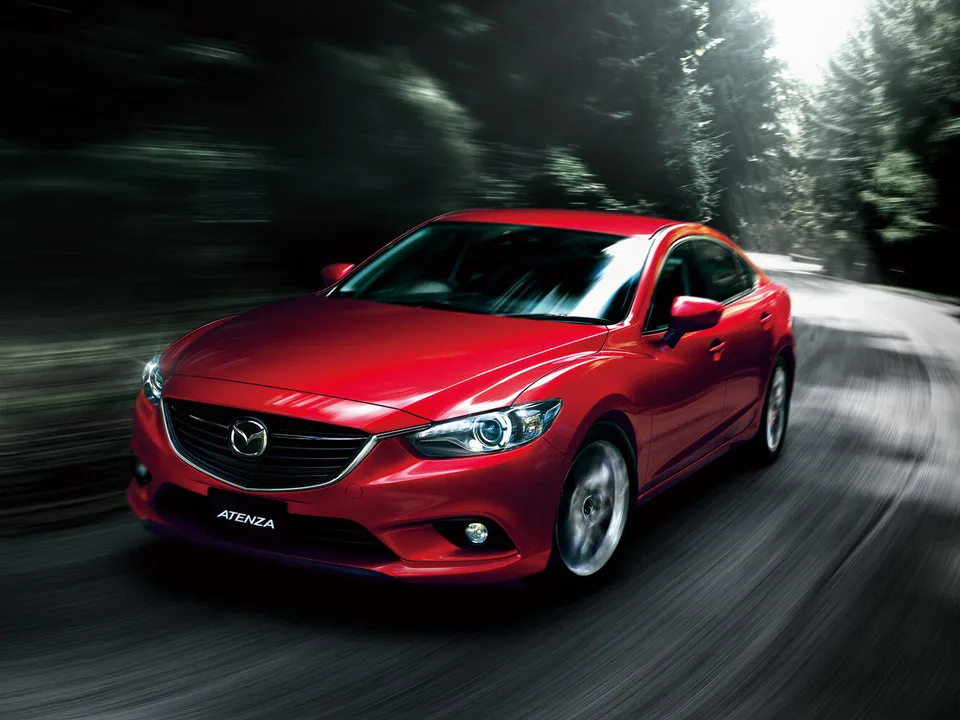
Atenza is the Japanese name for a mid-size Mazda, which has been produced since May 2002. For an auction order, three things are more important than the name: what kind of body the car has, petrol or diesel engine and what period it is. Much of this can be read in one line of documents – the body code: in four or five characters the generation, engine volume, drive and body type are sewn up. There is no date in the code, so the period is confirmed by documents. Below are three generations, three bodies, parsing the code by letters, where to look for all-wheel drive and why the car has been called MAZDA6 since August 2019, although its code is the same.
Three generations and three bodies
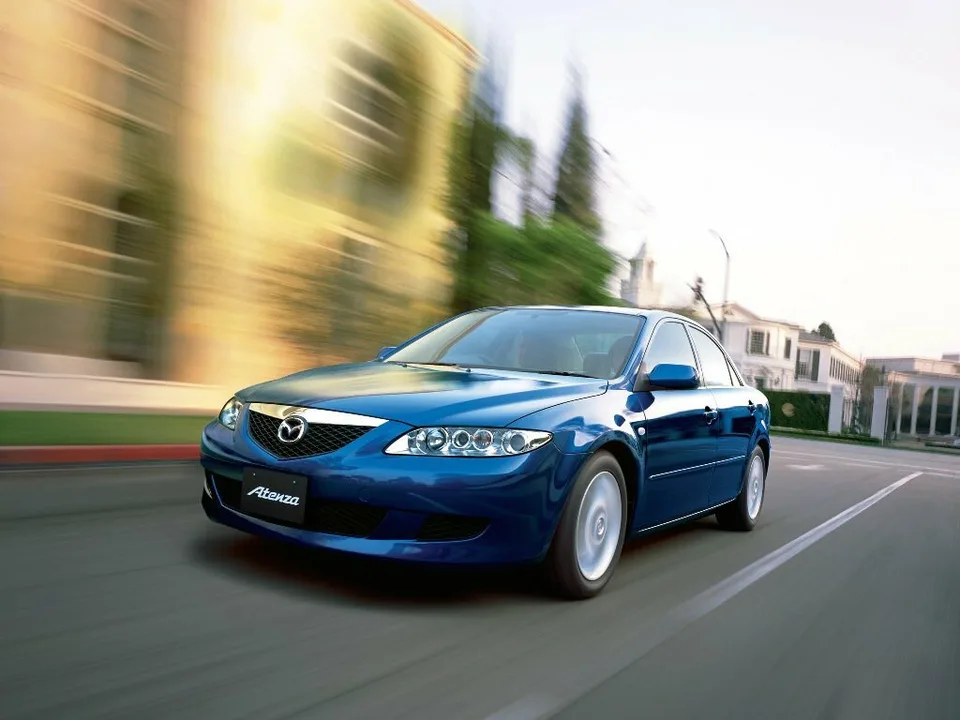
Mazda began selling the Atenza on May 20, 2002, the second generation was released on January 29, 2008, and the third on November 20, 2012. There was no fourth: in the summer of 2019, the model changed its name, which will be discussed separately below. The first two generations had three bodies – a sedan, a station wagon and a five-door hatchback, which in Japan was called SPORT; the third generation did not return the hatchback.
| Generation | Launch of sales in Japan | Body | Motors |
|---|---|---|---|
| First | 20 May 2002 | SEDAN and five-door SPORT, from June 24 – SPORT WAGON | MZR 2.0 and MZR 2.3, petrol |
| Second | January 29, 2008 | Sedan, Sport, Sport Wagon | MZR 2.0 and the new MZR 2.5, petrol |
| Third | November 20, 2012 | Sedan and station wagon | SKYACTIV-G 2.0 and 2.5, diesel SKYACTIV-D 2.2 |
First generation, 2002–2008: station wagon has its own letter
On the day of the start of sales, May 20, 2002, the five-door SPORT and the four-door SEDAN entered the showrooms, and the SPORT WAGON station wagon joined them on June 24. There were two engines, both petrol: the MZR 2.0 with a volume of 1998 cm³ – 150 hp for the SPORT and 144 hp for the rest of the versions at 182 Nm, and the MZR 2.3 with a volume of 2260 cm³ – 178 hp. at 6500 rpm and 215 Nm.
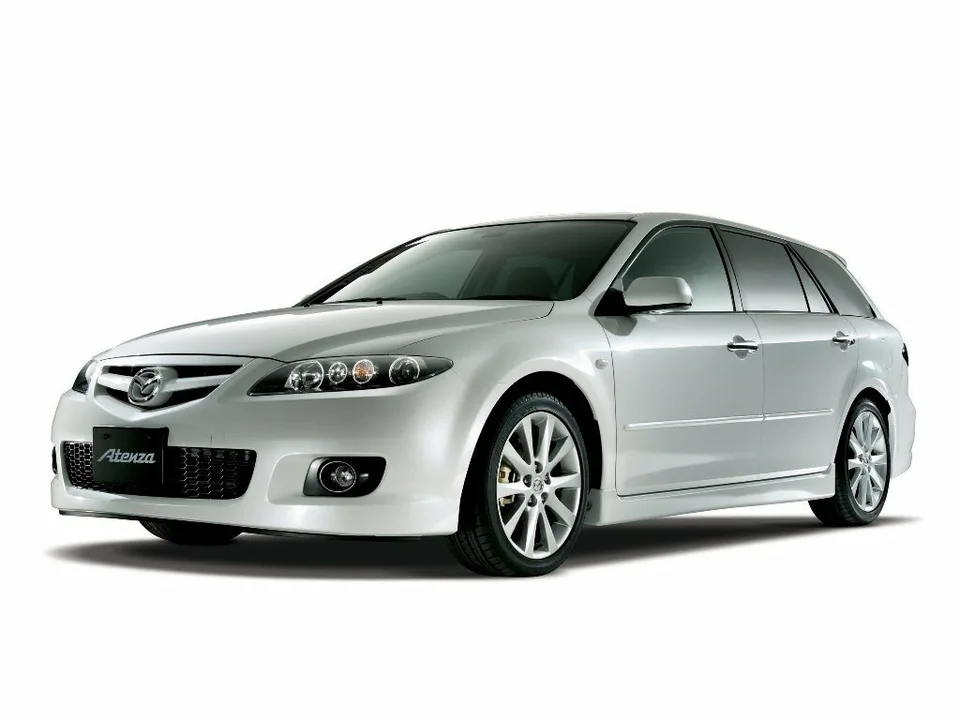
At the start, the entire line was front-wheel drive: Mazda added all-wheel drive by a separate decision on June 20, 2002 and specifically to the SPORT WAGON. Three months later, on September 24, versions with a five-speed manual were added to the SPORT and SPORT WAGON.
There is also a detail that is easy to mistake when searching: for the first-generation sedan and hatchback, the code begins with GG, and for the station wagon – with GY. This is the same generation, just the station wagon body in Japanese documents goes under its own designation.
Second generation, 2008–2012: three bodies and all-wheel drive with only 2.5
The second generation began selling on January 29, 2008, and the set of bodies remained: Sedan, five-door Sport and Sport Wagon. The engines were updated – MZR 2.0 and the new MZR 2.5; there were three transmissions to choose from: a five-speed automatic transmission, a six-speed automatic transmission and a six-speed manual. Mazda calls the drive two options – 2WD and 4WD.
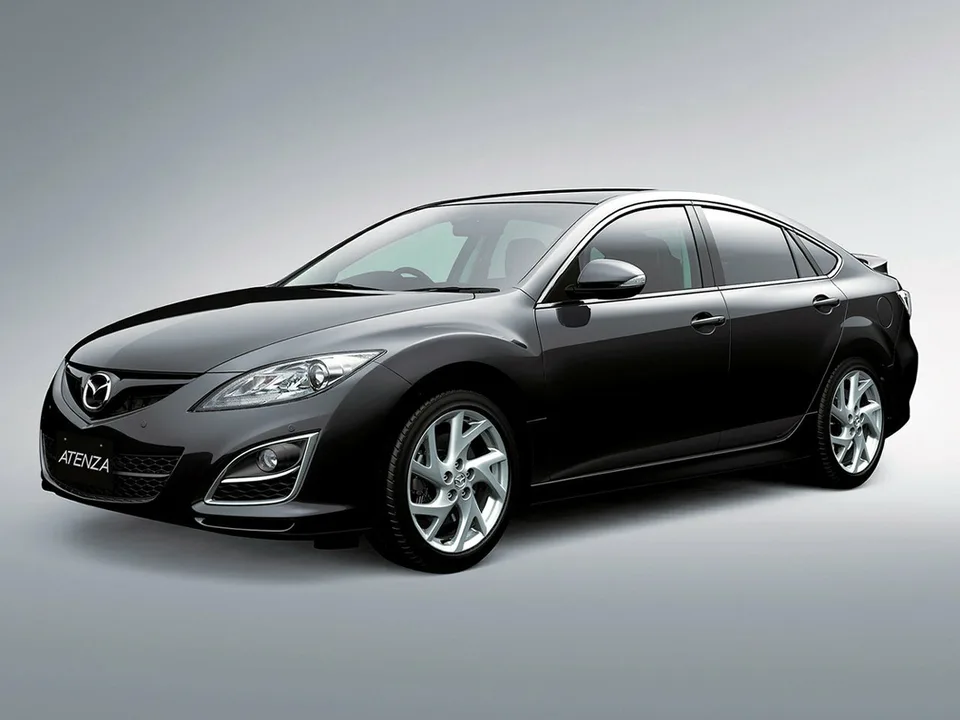
The codes show how the all-wheel drive is distributed: the second generation has it in all three bodies, but only with a 2.5 engine – these are the codes GH5AP, GH5AS and GH5AW. Front-wheel drive versions of the same 2.5 come as GH5FP, GH5FS and GH5FW, and two-liter versions as GHEFP, GHEFS and GHEFW.
Third generation, 2012–2019: diesel and two bodies
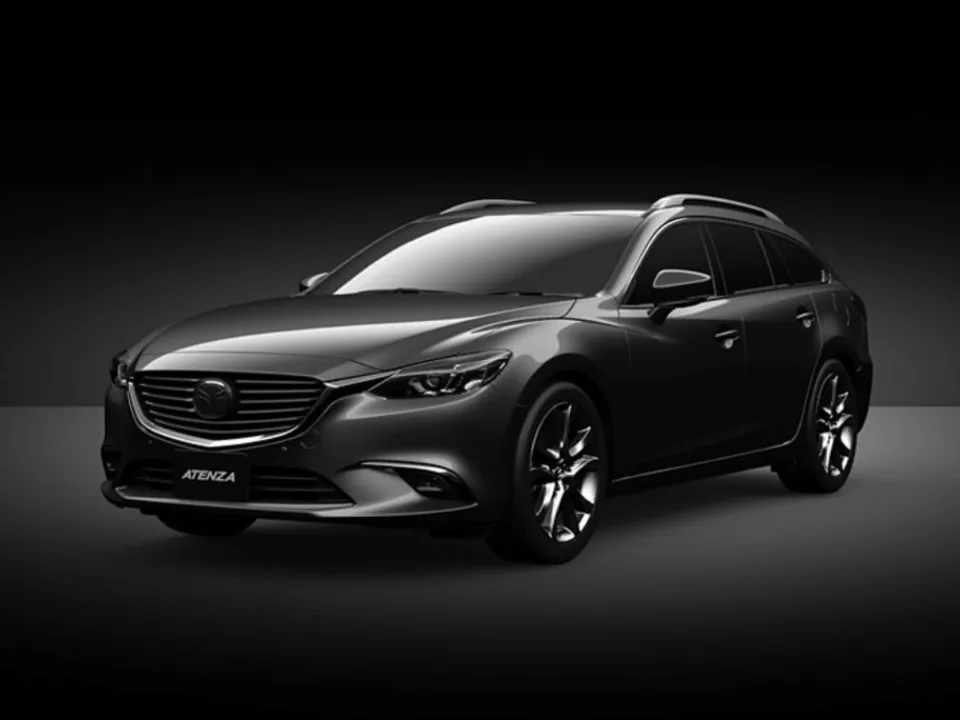
The third generation went on sale on November 20, 2012, and for the buyer there are two noticeable changes. Firstly, there are two bodies left – a sedan and a station wagon. Secondly, a diesel appeared in the lineup for the first time: SKYACTIV-D 2.2 next to the petrol SKYACTIV-G 2.0 and SKYACTIV-G 2.5. There are two gearboxes in the lineup, but they go to different versions: the six-speed SKYACTIV-DRIVE automatic transmission goes throughout the line, and Mazda gives the six-speed SKYACTIV-MT manual to the diesel versions of the XD in the release about the start of sales – the petrol 20S and 25S have only an automatic transmission in the same list.
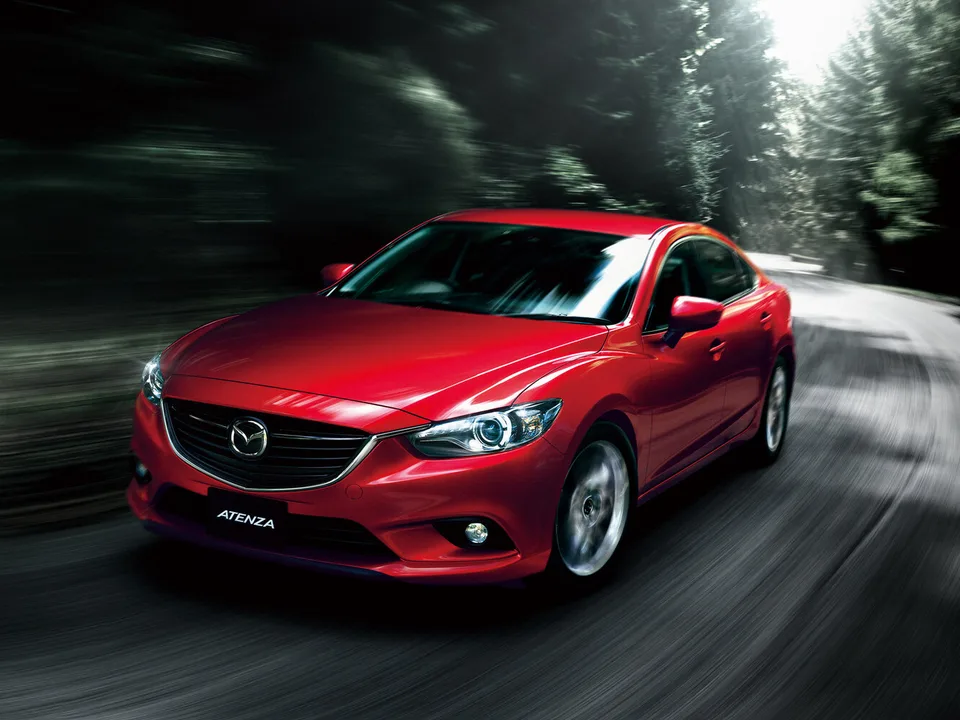
The generation has been updated several times without changing the number or body code: the largest update corresponds to the Mazda release of May 24, 2018. Therefore, within the third generation, the appearance is prompted by the period – the grille and optics are different for the periods – and it is precisely determined by the date of the first registration in the documents: the body code remains the same here.
How to read Atenza body code
The first two letters are the family, that is, the generation and the body. Next comes the engine sign, for generations after the first one – the drive letter, and the code is closed by the letter of the body type. The analysis below describes the listed Atenza codes, and not all Mazda cars.
| Place in the code | What does it mean | Variants |
|---|---|---|
| The first two letters | Generation and body family | GG – sedan and hatchback of the first generation; GY – station wagon of the first; GH – second generation; GJ – third |
| Third Sign | Motor | E — 2,0; 3 — 2,3; 5 — 2,5; 2 – diesel 2.2 |
| The Fourth Sign | Drive (second and third generations) | F – anterior; A – full |
| The last letter | Body | P – sedan; S – five-door hatchback; W – station wagon |
Example: GJ2AW – third generation, diesel 2.2, all-wheel drive, station wagon. GGES – first generation, 2.0 engine, five-door hatchback; the drive letter is not here, the first generation does not have it in the code. The code itself is preceded in the documents by a prefix like LA-, DBA-, CBA-, LDA-, 3DA- or 6BA- – it refers to the environmental classification and the date of type approval, and not to a specific car. In the studied versions of Atenza, the type of engine is also noticeable by the prefix: diesel come with LDA- and 3DA-, and petrol from this list – LA-, UA-, CBA-, DBA- and 6BA-. The rule describes these versions: the prefix does not replace checking the engine and the market according to the documents. How the Japanese body code works as a whole is analyzed in the article “Japanese car body code“.
Where to look for all-wheel drive
Atenza does not always have all-wheel drive, and in each generation it lives in its own way. The first one got it first in the station wagon – this is the code GY3W: 2.3 liters and a five-speed automatic transmission. The all-wheel drive sedan of this generation is a special version of the MAZDASPEED Atenza with supercharging: under the code GG3P since June 2005 it has been with a six-speed manual. Conventional GG3P sedans are front-wheel drive, so the drive itself does not set the GG3P code – it is looked at by a specific car. The second has it in all three bodies, but only with 2.5 – codes with the letter A in fourth place. In the third generation, all-wheel drive versions did not appear at once: in the catalog data these are the codes GJ2AP and GJ2AW from January 2015, and both are diesel.
Mazda says the same thing in plain text: in the 2019 publication, the drives are listed as 2WD (FF) and 4WD, and 4WD is for diesel versions. The practical conclusion is simple: the third-generation all-wheel drive car is a diesel, and the declared “4WD” of the petrol version of this period should be double-checked by body code.
Since August 2019, it has been MAZDA6 – but the code is the same
On July 4, 2019, Mazda announced that the flagship Mazda Atenza had been renamed MAZDA6 – so that the model name coincides with the brand. On the same day, orders opened, sales began on August 1. The bodies remained the same – sedan and station wagon, and in the list of engines, the supercharged SKYACTIV-G 2.5T was added to the SKYACTIV-G 2.0, SKYACTIV-G 2.5 and SKYACTIV-D 2.2 diesel.
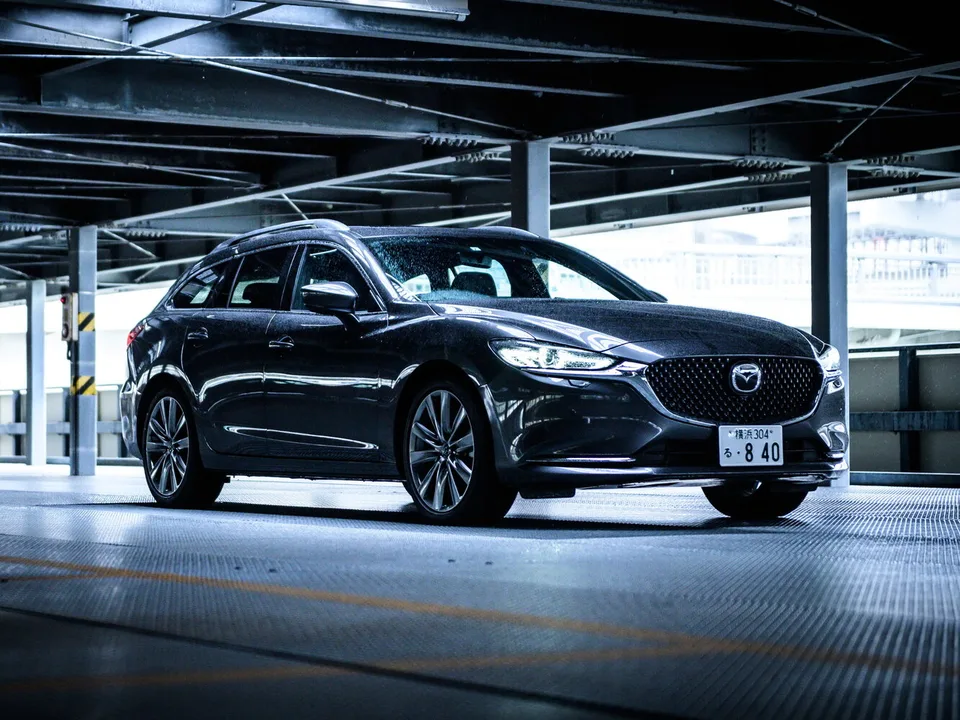
For the search, this is more important than it seems. In the catalog, Atenza versions end in July 2019, and a separate MAZDA6 card begins in August – but its body codes are the same, from the GJ family. That is, a 2019 car can be called both in the auction sheet, and the period is not determined by the code: it is confirmed by the date of the first registration and documents. If you are looking for a specific car, it makes sense to look at both cards – structurally, they are the same generation.
What to check before ordering
The most practical thing is to check four things, and they are all interconnected. Body – sedan, station wagon or five-door hatchback: the latter is only available in the first and second generations. Date of first registration – it separates the periods within the generation more accurately than the exterior. The type of engine – petrol or diesel, and with it the volume. And the drive – with all-wheel drive, each generation has its own limitations.
The body code shows the body, engine and drive, but there is no date in it – it is taken from the documents. Therefore, four items are checked together: the code, the type of engine, documents and the date of the first registration; the appearance remains a useful clue about the period. What exactly is checked in the auction sheet and at the inspection is described in the article “What to check before bidding“. And why the characteristics of the cars of the same name in different markets do not coincide is in the article “One generation, different markets“: for Atenza, this is especially noticeable, because outside of Japan, the same model was sold under the name Mazda 6 and with its own sets of versions.
Where to look next
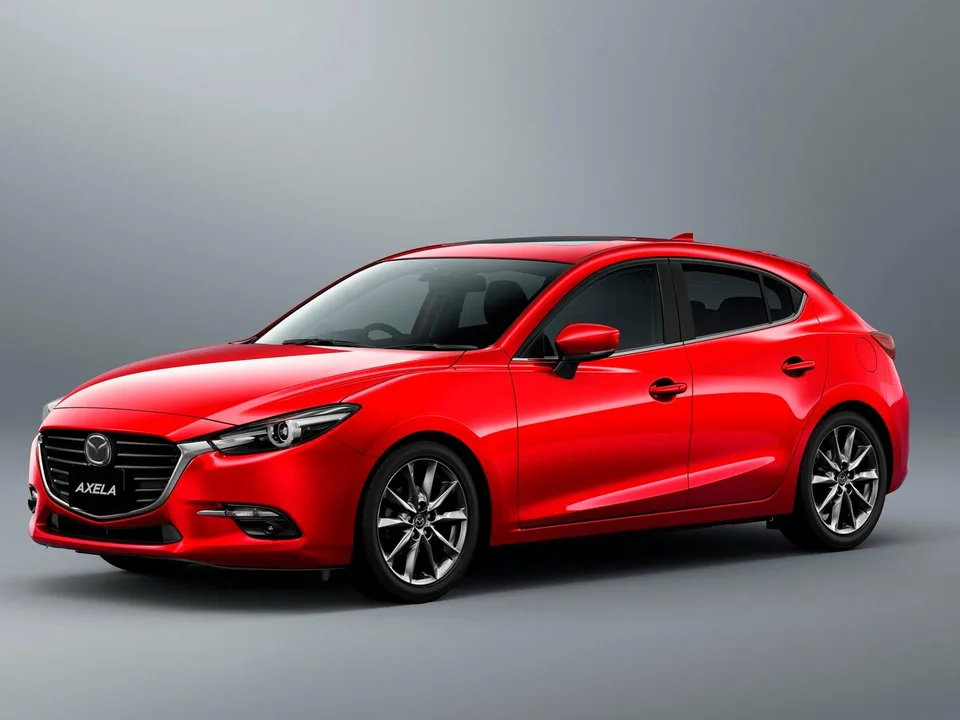
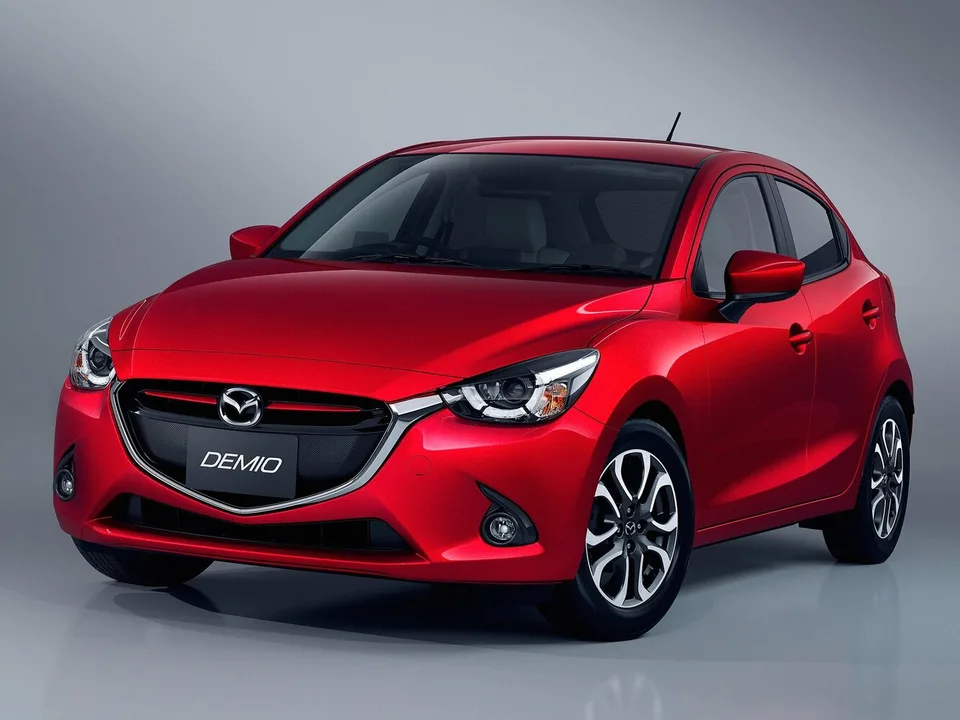
All Japanese versions by year, body and trim level are collected on the Atenza catalog page; there you can also open a separate page of the desired code – for example, GJ2AW or GG3S. The same brand has smaller models: “Mazda Axela: Generations, Engines and Body Code” and “Mazda Demio: Generations and Engines“. The service of ordering a car from Japan helps to choose a specific car, the turnkey cost is calculated in the calculator, and the terms and routes are on the delivery page.
Dates, bodies, engines and transmissions are Mazda publications; body codes, periods and version compositions are in the GTYRES catalog.