Toyota Mark X: generations, engines and body codes
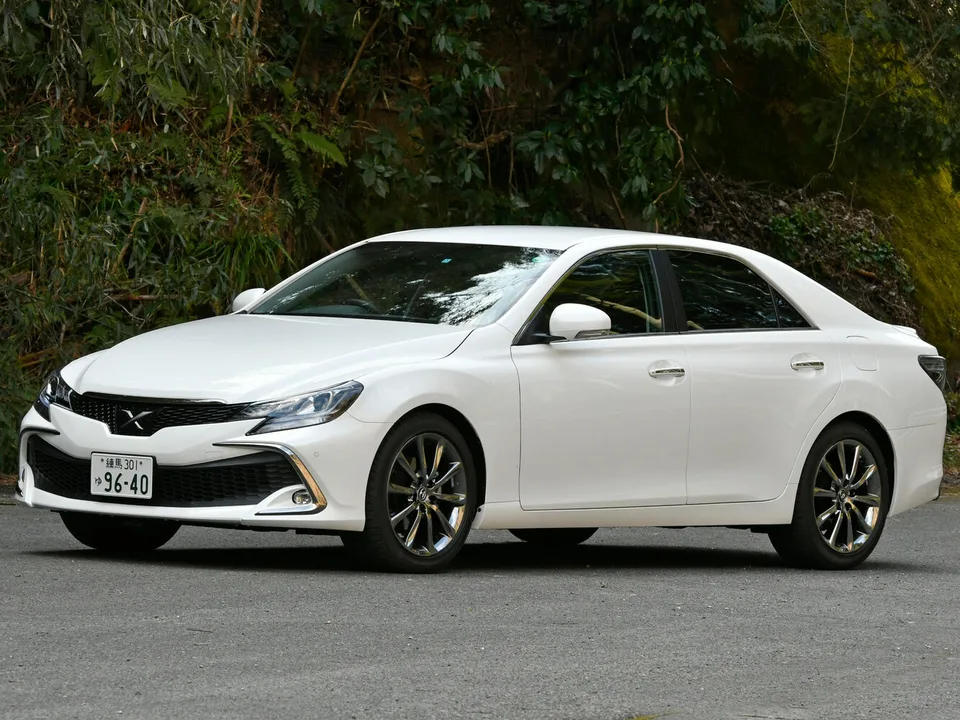
The Mark X is a Japanese sedan with rear-wheel drive, and some versions have a full one; it was sold from November 2004 to the end of the 2010s. In the ads, it is found both as “Mark X” and simply as “Mark”, and it is easy to confuse it with two other cars: the Mark X ZiO station wagon and the earlier Mark II. Below are the two generations, the difference between the 2.5 and the older V6, why only the younger engine got all-wheel drive, and what to check in the documents before the delivery.
Two generations in fifteen years
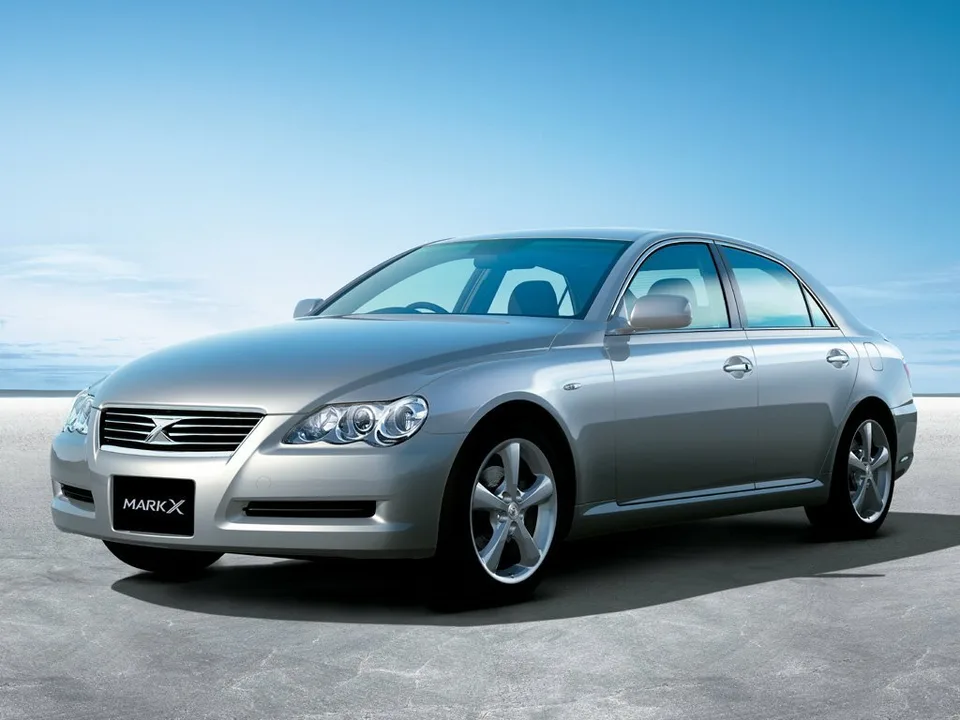
Toyota started selling the Mark X on November 9, 2004, and the second generation on October 19, 2009. There was no third: in the Toyota used car catalog, the last periods of the second generation reach December 2019. Within each generation, there are periods before and after the update – the first has one update, the second has two, and that is why the list of versions in the catalog is longer than the generation list.
| Generation | Launch of sales in Japan | Engines | Drivetrain | Transmission |
|---|---|---|---|---|
| First (GRX120, GRX121, GRX125) | 9 November 2004 | 2.5 (4GR-FSE, 215 hp); 3.0 (3GR-FSE, 256 hp) | Rear-wheel drive or permanent all-wheel drive | 6AT rear-wheel drive, 5AT full wheel drive |
| Second (GRX130, GRX133, GRX135) | October 19, 2009 | 2.5 (4GR-FSE, 203 hp); 3.5 (2GR-FSE, 318 hp) | Rear-wheel drive or permanent all-wheel drive | 6AT in the regular range, 6MT in the GRMN series |
First generation, 2004–2009: 2.5 and 3.0
At the start, Toyota offered two V6s with direct injection. The younger one is the 4GR-FSE with a volume of 2499 cm³, 158 kW (215 hp) at 6400 rpm. The older one is the 3GR-FSE with a volume of 2994 cm³, 188 kW (256 hp) at 6200 rpm; in the list of types, it passes under the code GRX121, including in the Premium version. Toyota describes the drive as “rear or permanent full”, and the gearboxes are different: the rear-wheel drive versions got the then new six-speed automatic, the all-wheel drive – a five-speed with the possibility of manual shifting.
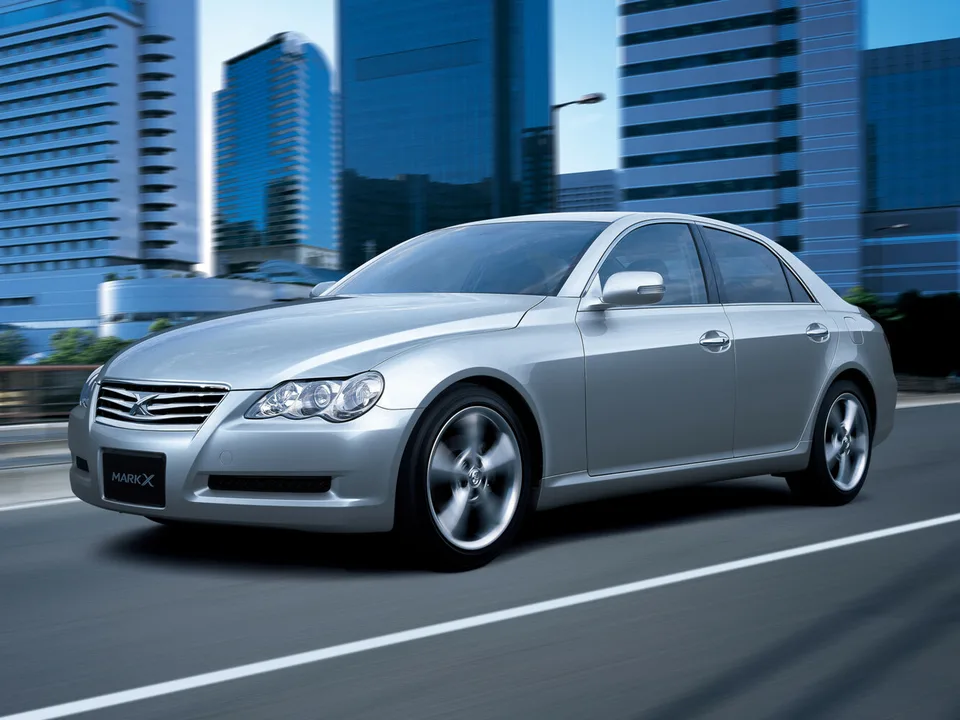
The first generation update falls on October 2006 – according to the periods into which Toyota itself divides the model in the catalog of used cars: one period runs from November 2004 to October 2006, the next – from October 2006 to October 2009. The set of body codes in both periods is the same, so it is impossible to distinguish the car by one code before and after the update: you need a date.
Second generation, 2009–2019: 2.5 weaker, instead of 3.0 — 3.5
The second generation turned out to be not just an update of the line. The place of the three-liter engine was taken by the 2GR-FSE with a volume of 3.5 liters – 234 kW (318 hp) at 6400 rpm, in the list of types this version is listed as GRX133 “3.5 Premium”. But the younger engine remained the same 4GR-FSE, but its output in the list decreased to 149 kW (203 hp) at the same 6400 rpm against the previous 215 hp. At the same time, Toyota switched the 2.5 to regular petrol – before that, the engine was designed for high-octane fuel. The gearbox in the usual line of the second generation is one: a six-speed automatic – the exception is two short GRMN series, more on them below.
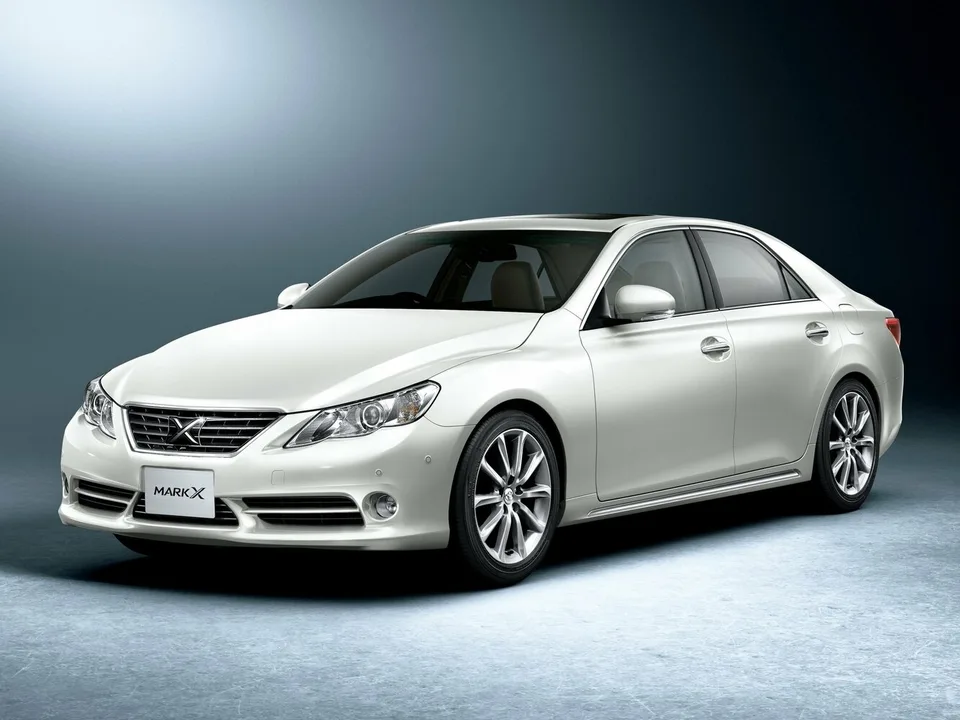
For the buyer, the difference between the generations is not in the name, but in the character: 203 or 215 hp for the same engine code 4GR-FSE, and instead of the 256-horsepower 3GR-FSE – 318-horsepower 2GR-FSE, that is, another engine. Therefore, the line “Mark X 2.5” in the ad speaks only about the volume of the engine: how much power it has and what generation it is, you can see with the year and body code.
Why not everyone has all-wheel drive
The all-wheel drive of the Mark X is permanent, and only the younger engine got it. In the second generation, Toyota directly marks the all-wheel drive versions as “only 2.5-liter”, in the first – it lists the all-wheel drive along with the rear one and separates them into boxes. There is no separate code for the all-wheel drive version with a senior engine in the Toyota lists in any generation: all-wheel drive is at the codes GRX125 and GRX135, which is 2.5. The fact itself is important for the choice: if all-wheel drive is declared in the lot, the engine there is 2.5.
This is confirmed by documents. The all-wheel drive version of the first generation – GRX125 code: 4GR-FSE, 2499 cm³, 215 hp at 6400 rpm, permanent all-wheel drive and a five-speed automatic transmission; Toyota sold such a car in the 250G Four Limited version from September 2007 to July 2008. The second generation has an all-wheel drive version – GRX135: the same engine in the 203 hp version, permanent all-wheel drive, but already a six-speed gearbox. For one of these cars, the 250G Four F Package of the period from November 2016 to September 2019, Toyota indicates a consumption of 10.6 km/l according to the Japanese JC08 cycle – this is the figure of one version and one methodology, it cannot be transferred to other versions.
Six body codes
All periods of the model in the Toyota catalog are described by six codes. Three belong to the first generation, three to the second, and within the generation, the code separates the motor and the drive from each other.
| Code | Generation | Engine | Drivetrain |
|---|---|---|---|
| GRX120 | First | 2,5 (4GR-FSE) | Rear-wheel drive |
| GRX121 | First | 3,0 (3GR-FSE) | Rear-wheel drive |
| GRX125 | First | 2,5 (4GR-FSE) | Constant all-wheel drive |
| GRX130 | Second | 2,5 (4GR-FSE) | Rear-wheel drive |
| GRX133 | Second | 3,5 (2GR-FSE) | Rear-wheel drive |
| GRX135 | Second | 2,5 (4GR-FSE) | Constant all-wheel drive |
The year is not readable by the code: the same designations are repeated in all periods of their generation. The prefix before the code – DBA- in documents of both generations – refers to the environmental classification and the date of type approval, and not to a specific car. How the Japanese body code is arranged in its entirety is analyzed in the article “Japanese Car Body Code“.
2012 and 2016 updates

Toyota introduced the first update of the second generation on August 27, 2012. The front and rear bumpers, grille and taillights were changed, bi-xenon headlights with LED parking lights and two new body colors appeared, the body received additional welding points, and the interior received light metal linings and improved noise insulation. At the same time, the line was divided into three types – Premium, sports (250G “S Package”, 350S) and standard; the Premium added a 2.5 engine, before that the version was only with 3.5. From October 9, 2012, a fourth, sports G’s series was added to them with its own suspension settings and aerodynamic details.
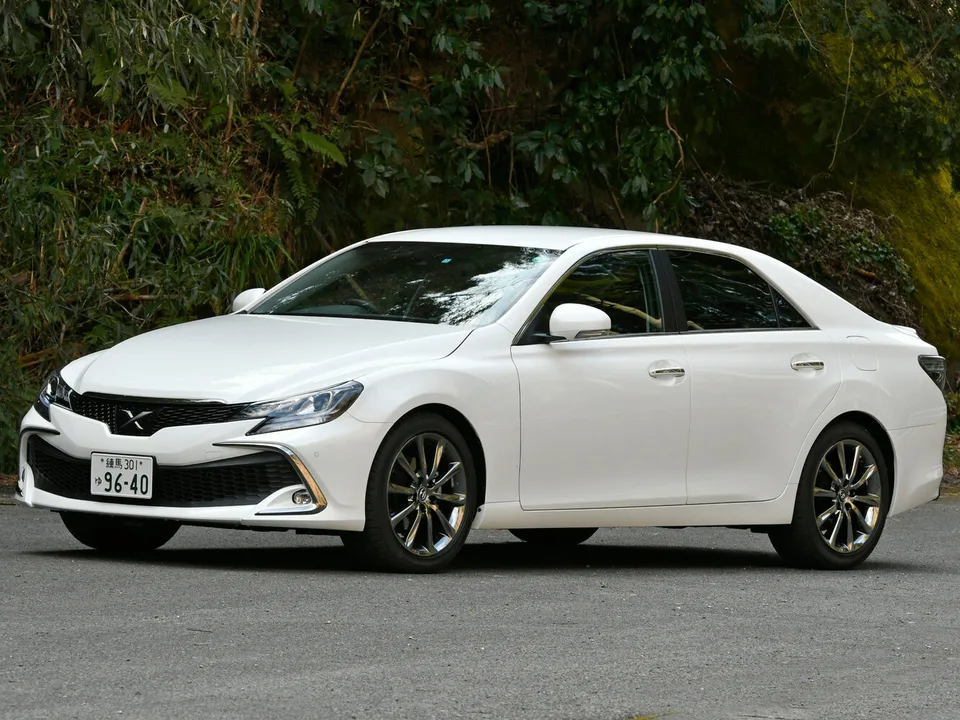
The second update was released on November 22, 2016. The front end was redesigned, sports versions of the 250RDS with a 2.5 engine and 350RDS with a 3.5 engine were added, the welded joints of the body were strengthened and the suspension was reconfigured. A practically significant change for the buyer – the Toyota Safety Sense P driver assistance complex became standard for all versions of this period. Prices were then announced in the range from 2,656,800 to 3,850,200 yen.
GRMN: Two Limited Editions with Mechanics
In the regular lineup of both generations, Toyota indicates automatic transmissions, and the mechanics are found in two short series of GRMN – these are separate series, and not a version of the usual line. Toyota announced the first one in December 2014: acceptance of orders from March 1, 2015, sales from the beginning of June, a total of 100 cars, a 3.5 engine (2GR-FSE) with a capacity of 321 hp, a six-speed manual, rear-wheel drive, a price of 5,400,000 yen.
The second series was assembled in 2019: orders from January 11, sales from March 11, 350 cars, the same 2GR-FSE with a volume of 3456 cm³ – 318 hp. at 6400 rpm and 38.7 kgf·m at 4800 rpm, a specially modified six-speed manual, rear-wheel drive, a price of 5,130,000 yen with tax. 252 welding points were added to the body, the options included a carbon roof, which reduced weight by 10 kg, forged 19-inch BBS wheels and four exhaust system outputs. If such a car is found in the lot, its equipment and settings apply only to it: they are not transferred to the regular 250G and 350S.
Mark X, Mark X ZiO, and Mark II are three different cars
The Mark X ZiO is an independent model, not a sedan version. Toyota introduced it on September 26, 2007: a station wagon with six or seven seats with 2.4 (2AZ-FE, 163 hp) and 3.5 (2GR-FE, 280 hp) engines. It has its own layout: a front-wheel drive platform, on which there are both front-wheel drive and all-wheel drive versions – in the list of types there is, for example, the code ANA15. ZiO does not have rear-wheel drive, like the Mark X sedan. Toyota writes directly about the relationship between the two cars: mechanically they have nothing in common, and the name ZiO itself is revealed as Zone in One. The common part here is only in the name: in terms of body type, number of seats and drive, these are different cars.
The Mark II is a separate previous model with its own history: in the GTYRES catalog, its entries end with the X110 family. The years of the Japanese Mark II sedan are not displayed in the catalog summary lines: they also include other bodies of the same family, such as the Mark II Blit station wagon, so we do not name the period here. Something else is important for the search: an ad with the word “Mark” can refer to any of the models. The body code separates them again: for the Mark X, it begins with GRX.
What to check before buying
The minimum set is three lines: body code, date of first registration, and engine code. The body code shows the generation, engine, and drive; the date of first registration helps to separate the period before the update from the period after it, but it is not equal to the date of manufacture — the car could have been registered later, so the period is confirmed along with the documents; the engine code confirms that the car has 4GR-FSE or 2GR-FSE, and not something else after repair. Separately, it is worth checking the declared all-wheel drive: the Mark X has it only with a 2.5 engine, and the GRX125 and GRX135 codes are exactly that.
Another trifle noticeable from the catalog: the length of the body differs from period to period – 4730 mm for the first generation and the first years of the second, 4750 mm after the 2012 update and 4770 mm after the 2016 update. It is impossible to distinguish it by eye, but the number is visible in the characteristics of the lot and helps to confirm the period. What exactly is looked at in the auction sheet and at the inspection is described in the article “What we check before bidding“, and why the cars of the same name differ in different markets – in the article “One generation, different markets“.
Where to look next
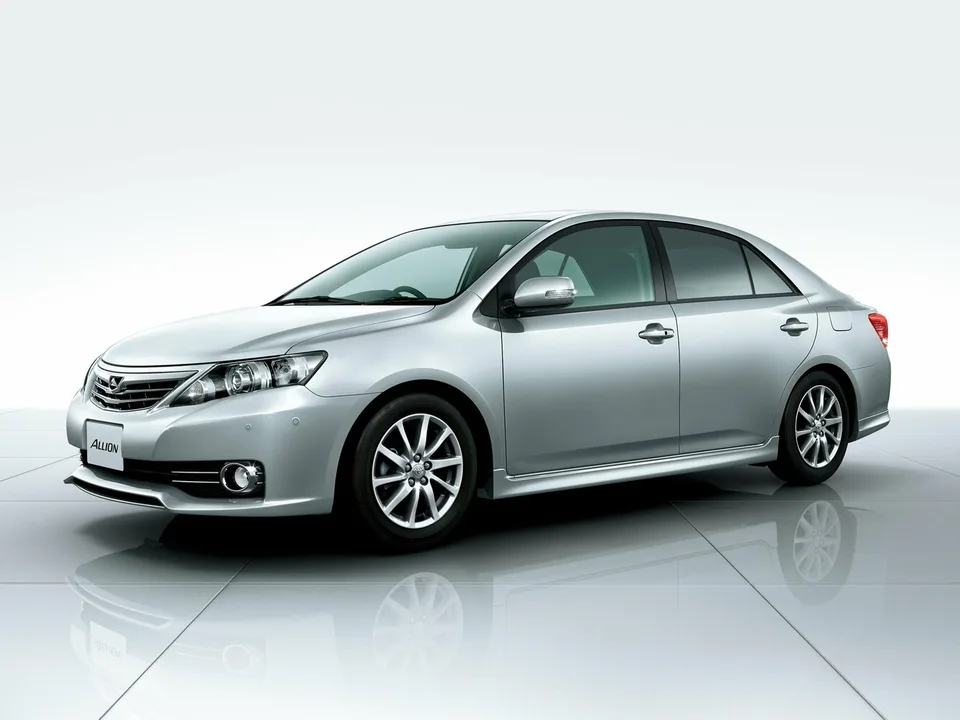
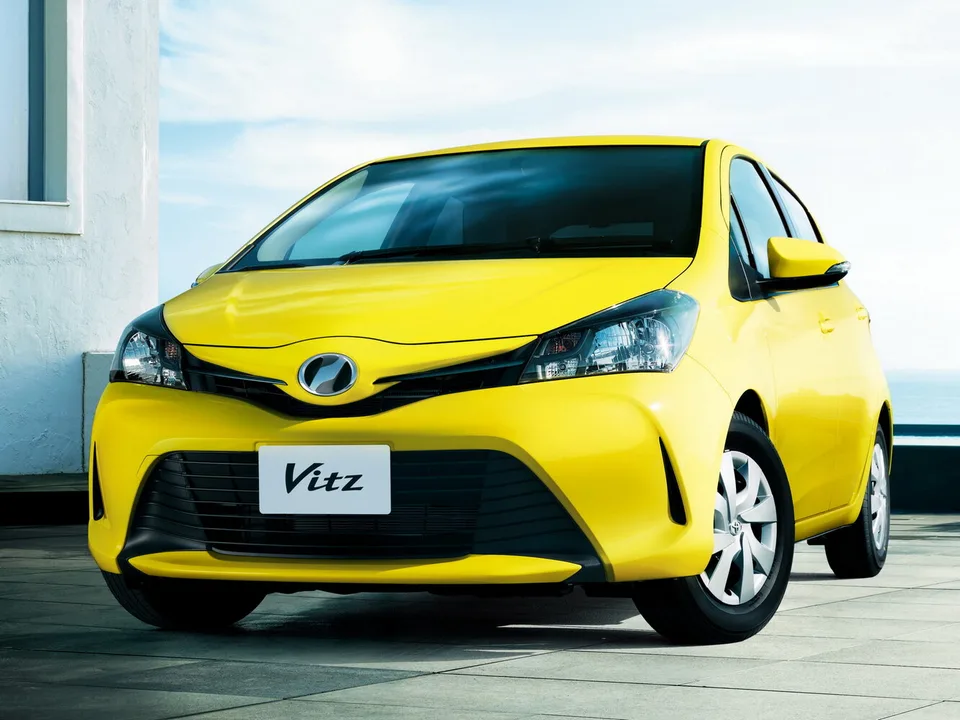
All Japanese versions by year, body and trim level are collected on the Mark X catalog page. If you need a sedan from the same manufacturer, but in a lower class, there is an analysis of “Toyota Allion: T240 or T260 by body code“, and about a compact hatchback of the same brand – “Toyota Vitz: generations, engines and hybrid“. The service of ordering a car from Japan helps to choose a specific car, the turnkey cost is calculated in the calculator, and the timing and routes are on the delivery page.
Dates, engines, gearboxes and body codes are Toyota publications; periods, sizes and composition of versions are in the GTYRES catalog.