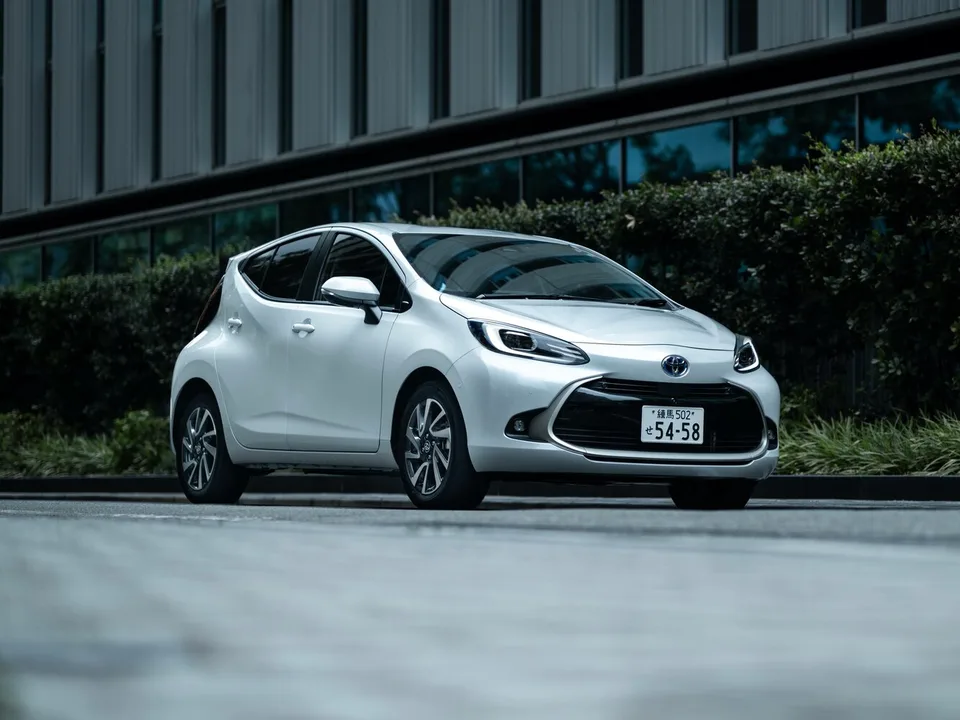
Toyota Vitz: generations, engines and hybrid
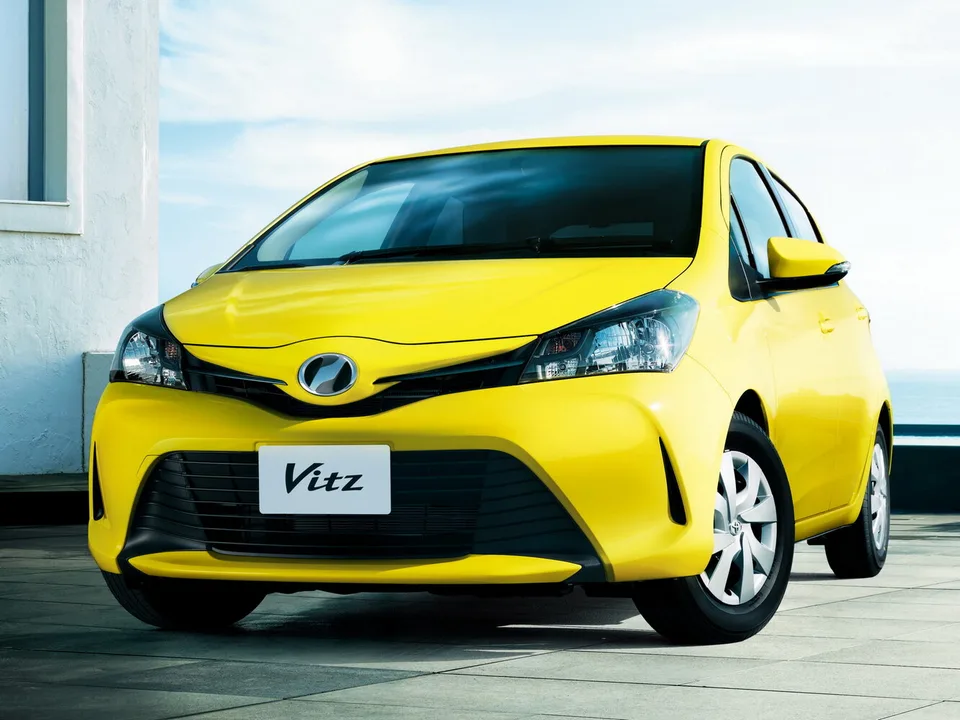
In Japanese ads, this car is called Vitz, and outside of Japan, the same model was sold under the name Yaris. The difference is not only in the inscription: the Japanese line lived according to its own calendar, with its own engines, gearboxes and a hybrid, which appeared in the Japanese car only in 2017. Therefore, when ordering from an auction, they look not at the name in the ad, but at the body code and engine code – they say more about the version than the line “Vitz 1.3”. Below are the three generations, their motors and drivetrain, the 2017 hybrid and why there are noticeably more versions than generations in the catalog cards.
Vitz and Yaris: One Machine, Different Markets
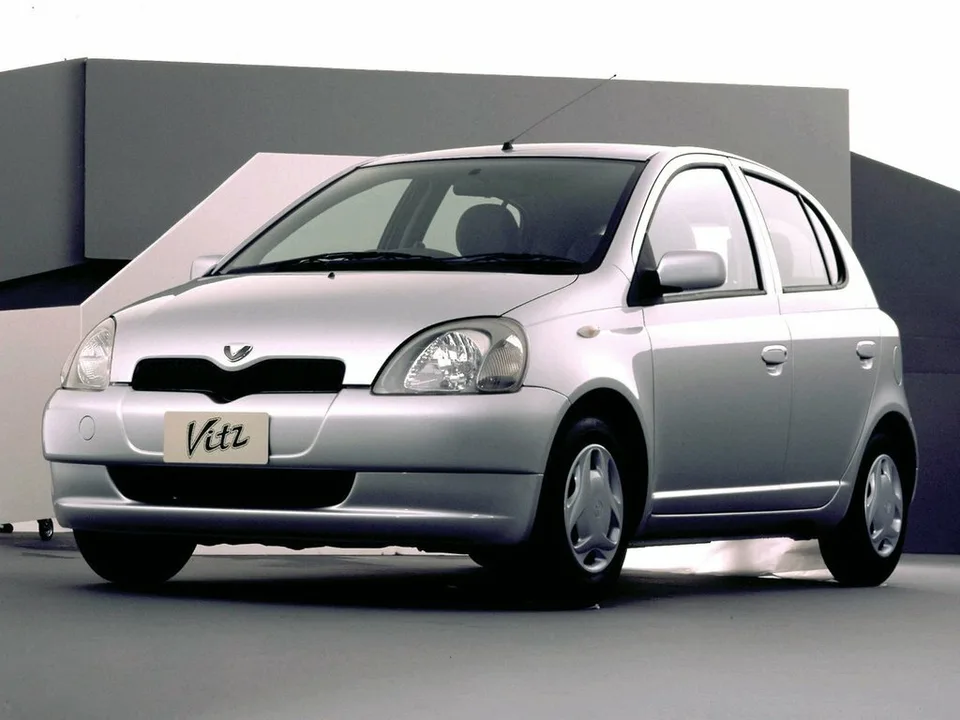
The model debuted at the 1998 Paris Motor Show under the name Yaris, and went on sale in Japan on January 13, 1999 as Vitz – this is how Toyota itself describes this story. The Vitz name lasted in Japan for twenty years: in February 2020, it was replaced by Yaris, and in its own price comparison, Toyota calls the Vitz the former model.
For the buyer, a simple thing follows from this: the characteristics of a European or other foreign Yaris are not transferred to a Japanese car, even if the cars are not distinguishable from the outside. In the catalog card, this can be seen directly: among the versions of the first generation, there is a diesel 1.4 (1ND-TV, 75 hp) – the engine that was installed on the Yaris for Europe, while in the line of the Japanese first generation, Toyota calls petrol 1.0 and 1.3. It is useful to note such lines: they belong to a different market, and you should not wait for such a car in a Japanese lot.
Three generations: XP10, XP90 and XP130
Vitz has three generations, and they run in a row from January 1999 to early 2020. Within each there are periods before and after the update, and the third update had two — and it is because of them that the list of versions in the catalog looks longer than the list of generations.
| Generation | Launch of sales in Japan | Body | Motors |
|---|---|---|---|
| First, XP10 | January 13, 1999 | Hatchback 3 and 5 doors | 1,0; 1,3; later 1.5 |
| Second, XP90 | 1 February 2005 | Hatchback 5 Doors | 1,0; 1,3; 1,5 |
| Third, XP130 | December 22, 2010 | Hatchback 5 doors, rare versions have 3 doors | 1,0; 1,3; 1,5; from 2017 hybrid 1.5 |
XP10 (1999–2005): 1.0 at launch, 1.3 and all-wheel drive from August
The first generation came out with a three-door and five-door body and one engine – a four-cylinder 1SZ-FE with a volume of 997 cm³ and a capacity of 70 hp. at 6000 rpm. Two transmissions were offered: a five-speed manual and a four-speed Super ECT automatic transmission. At first, the drive was only front-wheel drive, and in August 1999, a 1.3 version with all-wheel drive appeared.
Later, a 1.5 version with 110 hp was added to this set. For versions with other engines, it is different, so the ad looks at the code of a particular car, and not the name of the generation.
XP90 (2005–2010): four codes and the first three-cylinder engine
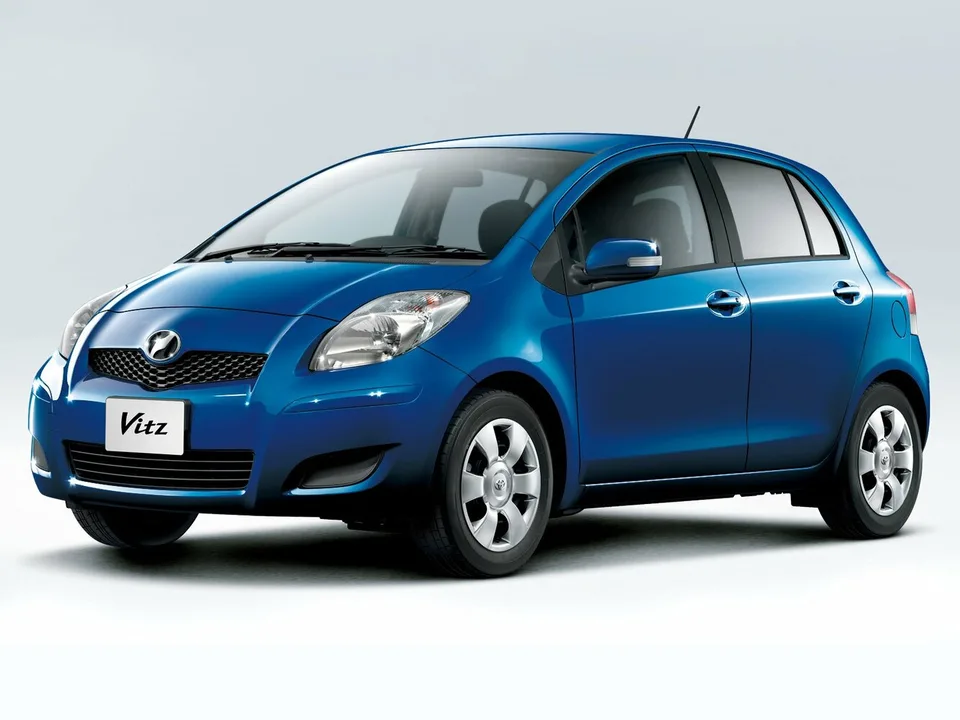
The second generation went on sale on February 1, 2005 and was produced only for the Japanese market as a five-door. The three-cylinder liter 1KR-FE first appeared here, and the engine line was distributed according to four body codes: KSP90 – a liter car, SCP90 – 1.3 with a 2SZ-FE engine, NCP91 – 1.5 with a 1NZ-FE engine, NCP95 – 1.3 with a 2NZ-FE engine and all-wheel drive. There are also three gearboxes: a CVT with a torque converter on most versions, a five-speed manual on the RS and a four-speed automatic transmission on all-wheel drive cars.
This generation is convenient because the body code almost directly points to the engine: K at the beginning is a liter 1KR, S is an engine of the SZ family, N is an engine of the NZ family. The all-wheel drive of the XP90 comes with a separate code, and it is difficult to confuse it with a front-wheel drive car of the same power.
XP130 (2010-2020): 1.3 in two variants and the difference between drives
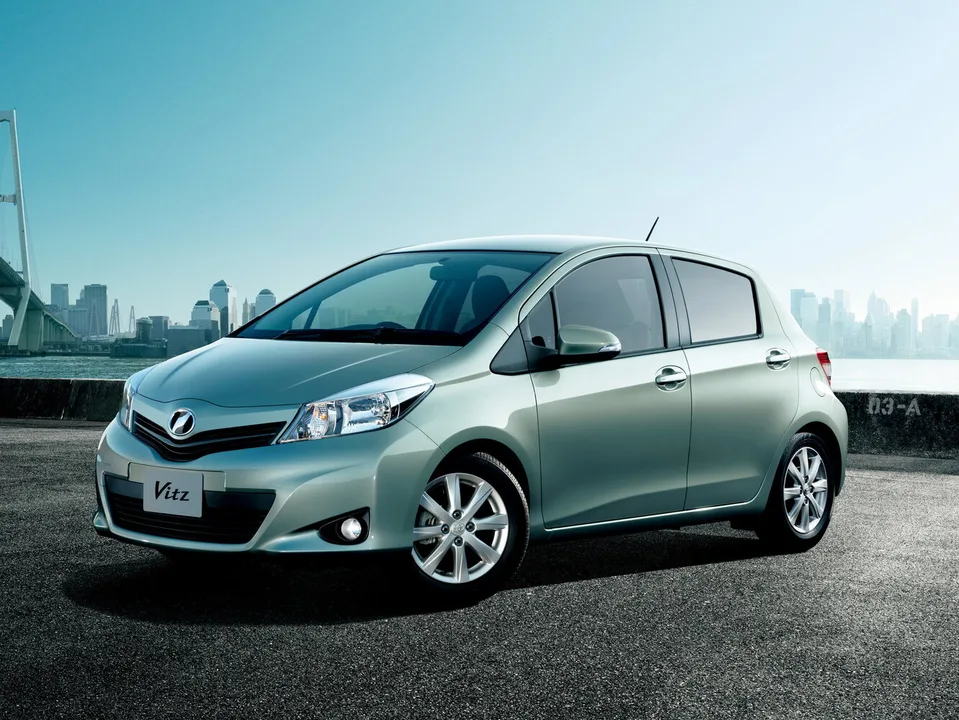
The third generation began selling on December 22, 2010. There are three engines again – a liter three-cylinder, 1.3 of the NR family and 1.5 of the NZ family. In the usual line of that period, the gearbox is a CVT, and the five-speed manual comes with the RS version; rare versions with mechanics are disassembled separately.
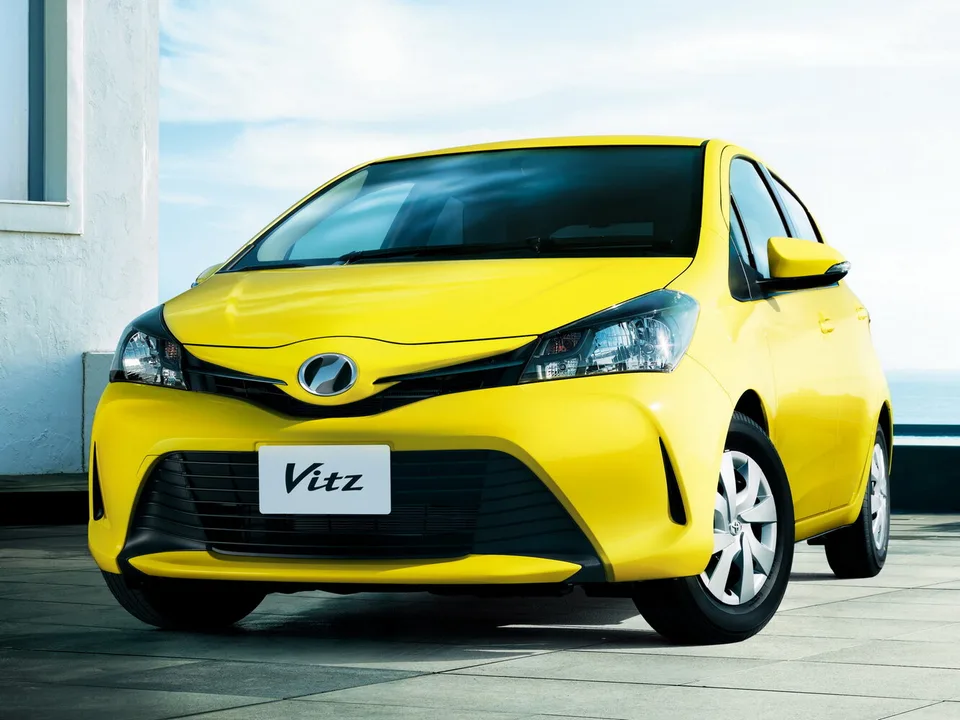
After the update, which the version catalog refers to April 2014, the 1.3 engine diverged front-wheel drive and all-wheel drive versions, and this is noticeable in the documents of a particular car. The front-wheel drive received 1NR-FKE: body code DBA-NSP130, 1329 cm³, 99 hp. at 6000 rpm; for the 1.3F version, Toyota indicates a consumption of 25.0 km per liter according to the JC08 cycle. The all-wheel drive has retained the previous 1NR-FE: code DBA-NSP135, the same volume, 95 hp; the all-wheel drive version of the F has a consumption on the same cycle – 18.0 km per liter. The difference of four forces is small, but the difference in the declared consumption figures is noticeable. It consists of a combination of the engine, drive and configuration, and the numbers themselves refer to the JC08 passport cycle, and not to real driving. The 1.3 engine in this generation has two versions – 1NR-FE and 1NR-FKE – so it is impossible to determine the engine version by one body code: you need the engine code and the date of manufacture of a particular car.
NHP130 hybrid: what is considered power in it
The hybrid version appeared on January 12, 2017, along with an update that Toyota calls in its own message going beyond the usual. The body code of the hybrid is DAA-NHP130, the 1NZ-FXE engine with a volume of 1496 cm³, the transmission is continuously electric, the drive is front. The trim levels HYBRID F, HYBRID Jewela and HYBRID U were sold, consumption according to the JC08 cycle is declared as 34.4 km per liter.
It is easy to make a mistake with power here. The petrol engine of the hybrid produces 54 kW (74 hp) at 4800 rpm, the electric motor – 45 kW (61 hp), but you cannot add these numbers: Toyota separately indicates the power of the system – 73 kW, that is, 100 hp. In the catalog card, the hybrid version has only 74 hp, and this is a characteristic of the petrol engine, and not the entire installation. If the hybrid’s ad says “74 hp” – this is not a seller’s mistake and not a weak version.
How different hybrid schemes of Japanese cars work in general and what of them is checked before purchase is analyzed in the article “Types of hybrids from Japan“. If you need a hybrid hatchback as the main option, and not as one of the versions, look towards the Aqua: there is the only hybrid installation, and the generations are arranged differently than in Vitz. There is a separate analysis of this “Toyota Aqua: generation and drive“.
GRMN and GRMN Turbo: Rare versions with three doors
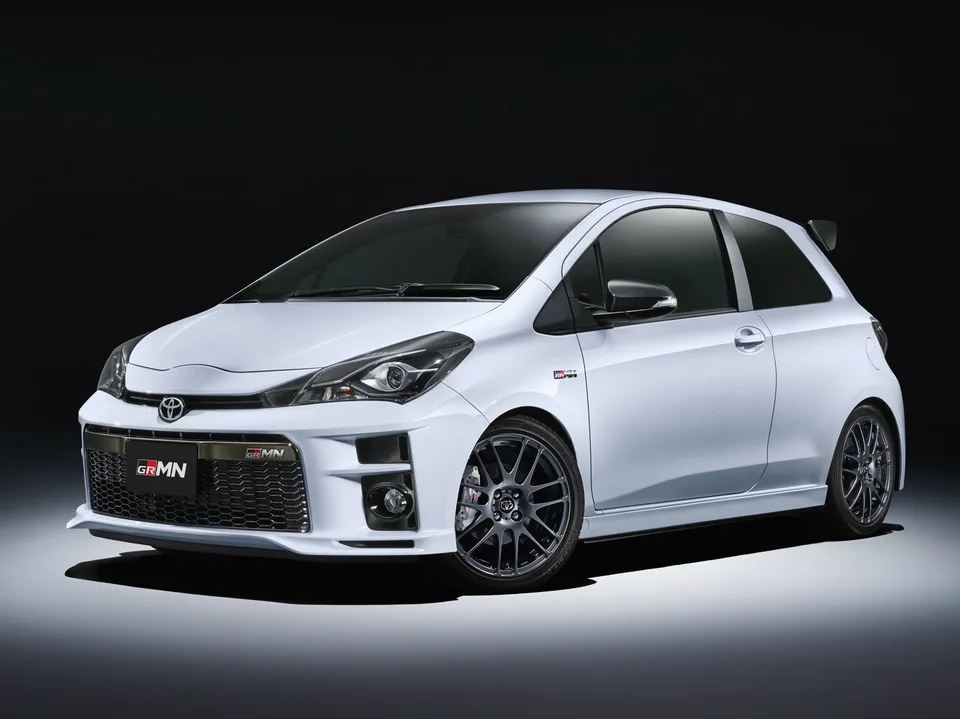
In addition to the usual versions, the Vitz had rare versions, and it is they who create lines with unusual power in the catalog. The Vitz GRMN Turbo was announced on August 7, 2013, and began to be sold on August 25 – only online, through Area 86 stores in the Netz dealer network, in order of receipt of applications. Under the hood was a 1NZ-FE with a volume of 1496 cm³ with a turbocharger: 112 kW, that is, 152 hp. at 6000 rpm.
The second such version, Vitz GRMN, is already built on an updated generation: body code NCP131, 2ZR-FE engine with a volume of 1,797 liters with a drive supercharger, 156 kW – 212 hp at 6800 rpm, six-speed manual, front-wheel drive, five seats and only premium petrol. Production proceeded in two stages: the cars were produced at the plant in Valenciennes in France, and the final assembly was carried out in Motomachi.
There is no need to mix such machines with conventional 1.0, 1.3 and 1.5 either in the search or in the calculations: they have a piece circulation, a different price, and higher maintenance requirements.
Why there are more versions in the catalog than generations
In the model card, there are noticeably more than three rows, and this does not mean that there were more generations. Separate entries are the periods before and after the update, different bodies and rare versions: the three-door GRMN Turbo of 2013 and the three-door GRMN with a 1.8 engine occupy their own lines, although both belong to the third generation. The year in such an entry is the period when the version was sold, and not the year of a particular car.
| Generation | Motor | Motor Code | What you need to know |
|---|---|---|---|
| XP10 | 1,0 | 1SZ-FE | Debut engine, 997 cc, 70 hp; body code SCP10 |
| XP10 | 1,3 | 2NZ-FE | Since August 1999 – including with all-wheel drive |
| XP10 | 1,5 | 1NZ-FE | 110 hp, the most powerful version of the first generation |
| XP90 | 1,0 | 1KR-FE | Three cylinders; body code KSP90 |
| XP90 | 1,3 | 2SZ-FE and 2NZ-FE | SCP90 is front-wheel drive, NCP95 is all-wheel drive |
| XP90 | 1,5 | 1NZ-FE | Body code NCP91; manual – on RS |
| XP130 | 1,0 | 1KR-FE | 69 hp; body code KSP130, CVT only |
| XP130 | 1,3 | 1NR-FE and 1NR-FKE | NSP130 with 1NR-FKE – 99 hp; NSP135 with 1NR-FE – all-wheel drive, 95 hp. |
| XP130 | 1,5 | 1NZ-FE | 109 hp; manual – on RS |
| XP130 | 1.5 hybrid | 1NZ-FXE | Body code NHP130, system power 100 hp |
Another reason for the extra lines is the data of another market: the diesel 1.4, which was mentioned above, got into the records of the first generation from there. Why the same generation in different markets receives different engines and equipment is analyzed in the article “One generation, different markets“.
What to check before buying
It is most useful to look at three things at once: body code, engine code and drive. The body code separates a hybrid from a petrol car more reliably than any line in the ad – NHP130 is a hybrid, NSP130 and NSP135 are ordinary petrol 1.3, and they also differ in drive. The engine code shows which version of the engine is worth: 1NR-FKE and 1NR-FE in the same generation give different power and different declared consumption.
The year of manufacture is not readable by body code: the basic designations are repeated in different periods. The prefixes before the code — GF-, DBA-, DAA- — refer to the environmental classification and the date of type approval, and not to a specific car. How the Japanese body code works in its entirety is analyzed in the article “Japanese Car Body Code“. The date of first registration limits the production period more accurately than the name of the generation in the ad, and what exactly is checked in the auction sheet and at the inspection is described in the article “What we check before bidding“.
Where to look next
All Japanese versions by year, body and trim level are collected on the Vitz catalog page. If you are interested in the same class from other brands, there are analyses of “Honda Fit: Generations and Hybrids“, “Mazda Demio: Generations and Engines” and “Suzuki Swift: Generations and Sport“. The service of ordering a car from Japan helps to choose a specific car, the turnkey cost is calculated in the calculator, and the terms and routes are on the delivery page.
Dates and specifications – Toyota publications; Periods and variants – GTYRES catalog.