Toyota Voxy: generations, body codes and engine choice
The Toyota Voxy appeared on November 16, 2001 as a twin of Noah for the Netz dealer network: the two minivans have the same technology and different appearances, the Noah was sold in the Toyota Corolla Store, the Voxy in the Netz. In a quarter of a century, four generations have changed – R60 (2001-2007), R70 (2007-2014), R80 (2014-2021) and the current R90, since January 2022. For the buyer, the main thing is the full body code from the auction sheet, checked with the table below: the Voxy has one engine behind each combination of letters (AZR – 1AZ-FSE, ZRR – 3ZR, ZWR – 2ZR-FXE HYBRID, MZRA – M20A-FKS), the all-wheel drive version differs from the front-wheel drive version by one digit inside the proven pair – AZR60G and AZR65G, ZRR80W and ZRR85W – and the last letter of the second and third generations separates the aerodynamic body of the W and the regular G. 2014 and until 2022 was only front-wheel drive. Next is a chronology of Toyota releases, the differences between the engines and what to look at in the ad. Generations, codes and versions in reference form are in the Voxy catalog, and the twin is in the Noah section.
Voxy Body Generations & Codes
| Series | Years | Body codes | Engines | Transmission | Places |
|---|---|---|---|---|---|
| R60 | 2001–2004 | AZR60G, AZR65G | 2.0 l 1AZ-FSE D-4, 152 hp | 4AT | 8 |
| R60 after update | 2004–2007 | AZR60G, AZR65G | 2.0 l 1AZ-FSE D-4, 155 hp | Super CVT-i CVT | 5, 7, or 8 |
| R70 | 2007–2010 | ZRR70G/75G, ZRR70W/75W | 2.0 l 3ZR-FE, 143 hp; 2.0 l 3ZR-FAE Valvematic, 158 hp | CVT | 5, 7, or 8 |
| R70 after the update | 2010–2013 | ZRR70G/75G, ZRR70W/75W | 2.0 l 3ZR-FAE Valvematic, 158 hp (155 in 4WD) | CVT | 5, 7, or 8 |
| R80 | 2014–2017 | ZRR80G/85G, ZRR80W/85W, ZWR80G/80W | 2.0 l 3ZR-FAE, 152 hp; hybrid 1.8 l 2ZR-FXE + THS II, 2WD only | CVT; e-CVT in hybrid | 6, 7, or 8 |
| R80 after update | 2017–2021 | The same | The same | The same | 7 or 8 |
| R90 | since 2022 | MZRA90W/95W, ZWR90W/95W | 2.0 l M20A-FKS, 170 hp; hybrid 1.8 l 2ZR-FXE, 2WD or E-Four | Direct Shift-CVT; e-CVT in hybrid | 7 or 8 |
How to Read Voxy Body Code
The full code in the documents looks like DBA-ZRR80W or 6AA-ZWR95W: the prefix of the emission class, letters, series numbers and body letter. The prefix – TA-, CBA-, DBA-, DAA-, 3BA-, 6BA-, 6AA- – changes with the norms, not with the generation: the same ZRR80W was written as DBA-ZRR80W and 3BA-ZRR80W in different years, so you need to compare the part after the hyphen and compare it with the generation table. According to the catalog of correspondence, Voxy has the following: AZR60G and AZR65G – 2.0 l 1AZ-FSE with direct injection D-4 (first generation, all codes are on G); ZRR70G and ZRR75G, ZRR70W and ZRR75W – 2.0 L 3ZR-FE or 3ZR-FAE; ZRR80G and ZRR85G, ZRR80W and ZRR85W – 2.0 L 3ZR-FAE; ZWR80G and ZWR80W – 1.8 L 2ZR-FXE hybrid; MZRA90W and MZRA95W – 2.0 L M20A-FKS; ZWR90W and ZWR95W – Fourth-generation 1.8L hybrid. In pairs with the numbers 60 and 65, 70 and 75, 80 and 85, 90 and 95, the first code is front-wheel drive, the second is all-wheel drive, the difference is one digit: AZR60G vs. AZR65G, ZRR70W vs. ZRR75W, ZRR80W vs. ZRR85W, ZWR90W vs. ZWR95W. The third-generation hybrid does not have a pair: ZWR80G and ZWR80W were produced only with front-wheel drive, the all-wheel drive hybrid appeared only in the R90 as ZWR95W. The last letter of the R70 and R80 divides the line into two bodies: G – regular (X, V, TRANS-X), W – aerodynamic (Z, ZS) with large bumpers, wheel arch extensions and larger tyres; in the fourth generation, the Voxy is sold only in aerodynamic trim levels S-G and S-Z, so all its codes end in W. Pages of codes in the catalog: AZR60G, ZRR70W, ZRR80W, ZWR80W, MZRA90W; where to look for the code field in the auction sheet, is discussed in a separate article.
R60, 2001–2007: Eight seats in a compact body
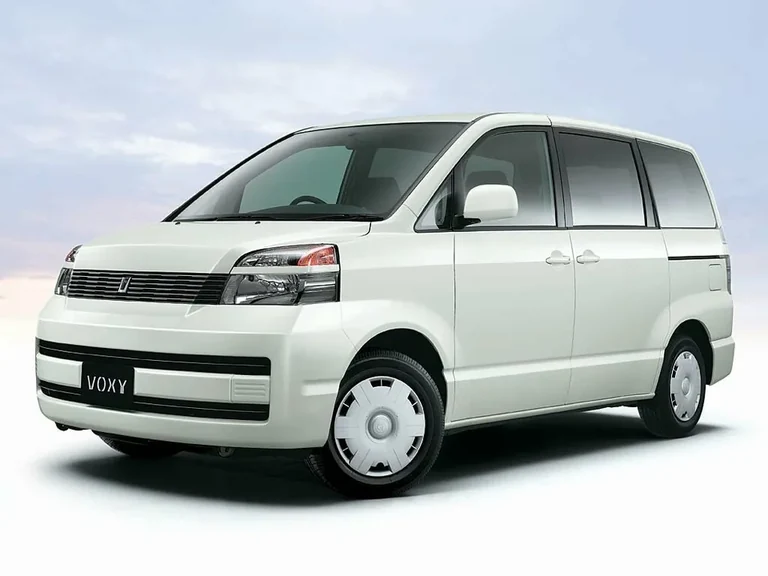
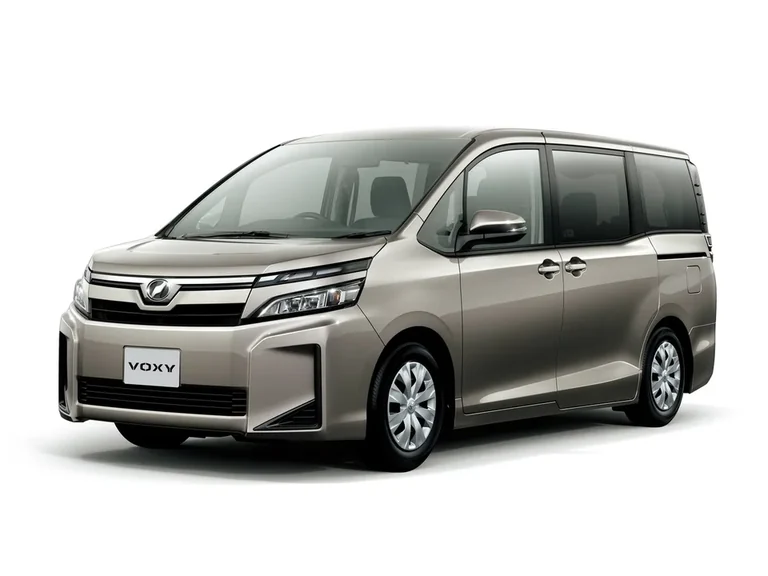
Toyota built the first Voxy on a new front-wheel drive platform with a flat floor and packed eight seats into a compact body: length 4560 mm for the V and X versions, width 1695 mm, height 1850 mm with a base of 2825 mm. Engine one – 2.0 l 1AZ-FSE series BEAMS series with direct injection D-4, 152 hp. catalog, with a four-speed automatic transmission; consumption on a 10·15 cycle for the front-wheel drive version was 14.2 km/l. All-wheel drive AZR65G received an Active Torque Control system with an electronically controlled clutch in the rear gearbox, which leaves the car front-wheel drive in normal driving. The aerodynamic versions of the Z and Z “G edition” featured large bumpers and a spoiler. On August 17, 2004, the model was updated: all versions switched to the Super CVT-i CVT, the taillights received LEDs, a two-row five-seater version of the TRANS-X appeared, and the engine power increased to 155 hp. 1AZ-FSE is the only engine of the first generation, and it is an engine with direct injection of the early 2000s; on a car over twenty years old, its condition should be checked more carefully than that of the later 3ZR with conventional injection. Both phases of the generation are in the catalog: 2001-2004 and 2004-2007.
R70, 2007–2014: Valvematic and one-touch seat
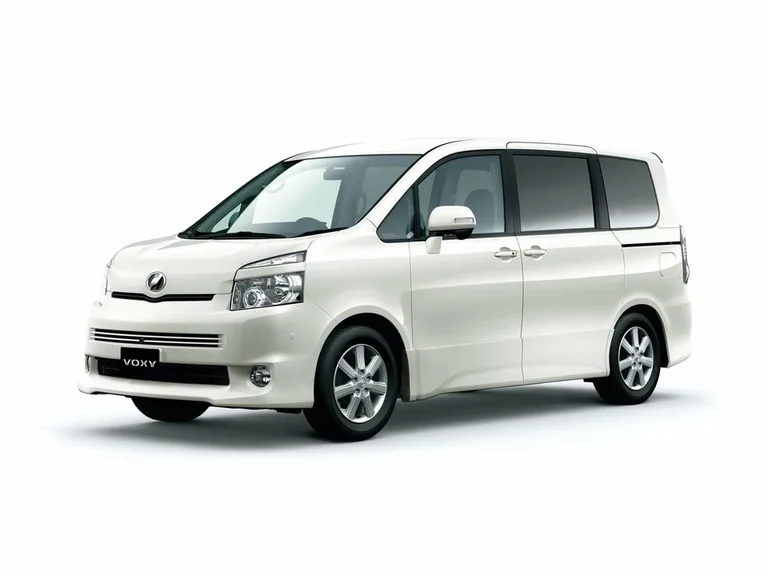
The second generation was released on June 27, 2007. Toyota left the CVT on all versions and offered two two-liter engines of the new ZR series: the base 3ZR-FE with 143 hp. and the new 3ZR-FAE with the Valvematic system, which smoothly changes the height of the valves – 158 hp. for front-wheel drive and 155 for all-wheel drive, with a seven-speed manual CVT mode. According to the catalog, in 2007-2010, the 3ZR-FAE is found only in the ZRR70W and ZRR75W aerodynamic body, while the regular ZRR70G and ZRR75G came exclusively with the 3ZR-FE; some aerodynamic versions were also content with the base engine. The main find of the generation is the third row, which folds down and rises to the sidewall in one movement, Toyota called it the first in the world; the two-row version of the TRANS-X has also been preserved. On April 27, 2010, the model was updated and all trim levels were transferred to the 3ZR-FAE, so from that moment on, it is pointless to look for the 3ZR-FE in the ad. Consumption on the 10·15 cycle was 14.4 km/l for front-wheel drive and 13.8 for all-wheel drive, in the second row there were separate swivel seats on the seven-seater version and a 6:4 split sofa on the eight-seater, and from June 30, 2010, a sports version of G’s was added. Generation pages: 2007-2010 and 2010-2013.
R80, 2014–2021: First hybrid and low floor
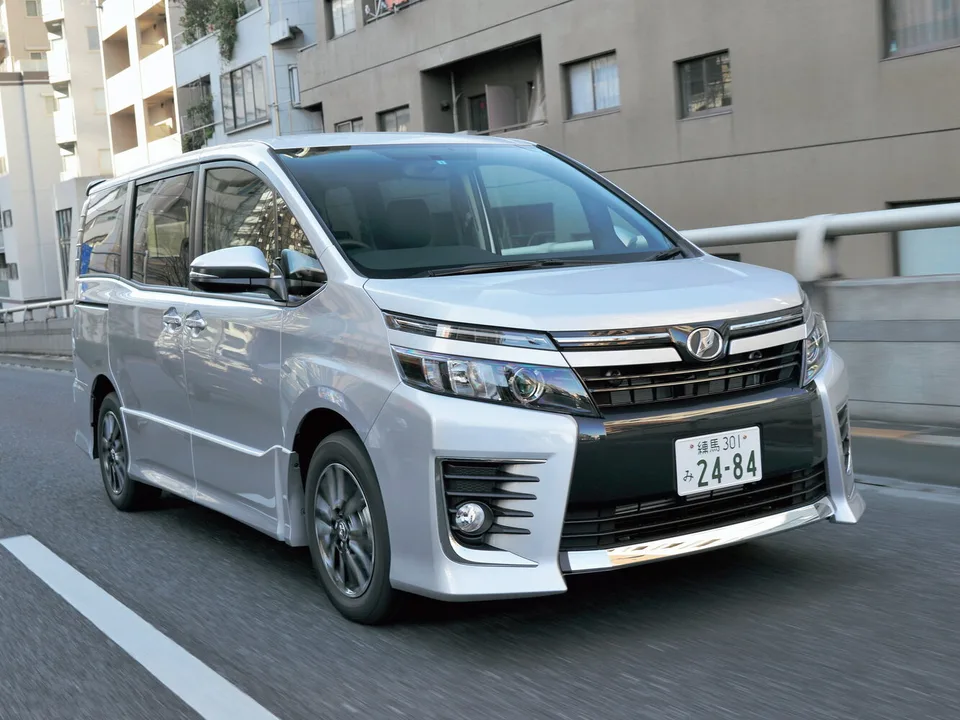
The third generation was introduced on January 20, 2014, the hybrid went on sale on February 24. Toyota lowered the floor and lowered the body height to 1825 mm, while the cabin height increased to 1400 mm; In seven-seater versions, the second row received separate seats with a longitudinal stroke of 810 mm. Petrol engine remained one – 2.0 liters 3ZR-FAE, 152 hp. according to the catalog, with a Super CVT-i CVT and an engine stop system at traffic lights, 16.0 km / l on the JC08 cycle in the front-wheel drive version. The main news is a hybrid: 1.8 liters 2ZR-FXE, the development of the third-generation Prius engine, with THS II and the declared 23.8 km / l according to JC08, The first full-fledged hybrid in this class of minivans. The hybrid ZWR80G and ZWR80W was produced only with front-wheel drive and seven seats, there are no all-wheel drive hybrids in the R80, and only the petrol ZRR85G and ZRR85W have all-wheel drive. The hybrid has the power of the internal combustion engine in the catalog of only 99 hp, but this is not the power of the car: the electric motor adds thrust, and it is impossible to compare one figure at a time, which is more about in the article on the power of the hybrid. The aerodynamic version was still called the ZS.
On July 3, 2017, the model was updated: new Bi-Beam LED headlights, a different grille and lights; the update also affected the third Esquire twin, which was sold through the Toyota Store and Toyopet – its catalog page will come in handy if you need the same car with a more austere appearance. Later generation cars in the documents write 3BA- instead of DBA-, hybrids instead of DAA- – – 6AA-, while the generation is the same. The R80 was produced for almost eight years, with six, seven and eight seats in the first phase and seven or eight after the update. Generation pages: 2014-2017 and 2017-2021.
R90, from 2022: TNGA, hybrid with E-Four and only aerodynamic versions

The fourth generation was released on January 13, 2022 on the TNGA GA-C platform. Petrol version is a 2.0 L M20A-FKS of the Dynamic Force series, 170 hp in the catalog, with CVT Direct Shift-CVT and ten-speed manual mode, 15.1 km/l in the WLTC cycle; all-wheel drive MZRA95W use the plug-in Dynamic Torque Control circuit. The hybrid retained the 1.8 L 2ZR-FXE, but received completely updated electric modules, 23.4 km/l WLTC and, for the first time for the Voxy, electric all-wheel drive E-Four – code ZWR95W, in the catalog only for seven seats. The fourth-generation Voxy is sold only in the aerodynamic trim levels S-G and S-Z, the usual versions of the X, G and Z remained with the Noah, so all Voxy codes at the end of the W. In the seven-seater versions, the separate seats of the second row with footrests are shifted by 745 mm, in the eight-seater sofa 6: 4 – by 705 mm. Prices at launch range from 3,090,000 yen for the petrol S-G with front-wheel drive to 3,960,000 for the hybrid S-Z with E-Four. Toyota announced the next improvement on April 10, 2026 with sales from May 6. The generation page is in the catalogue.
Which engine to choose
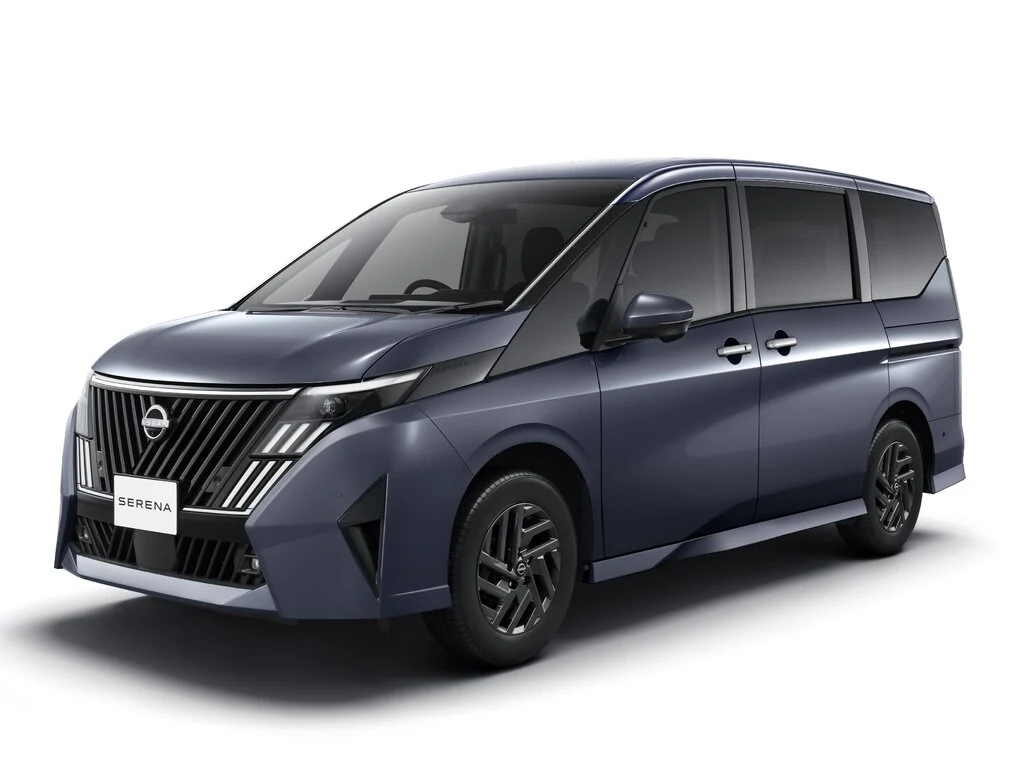
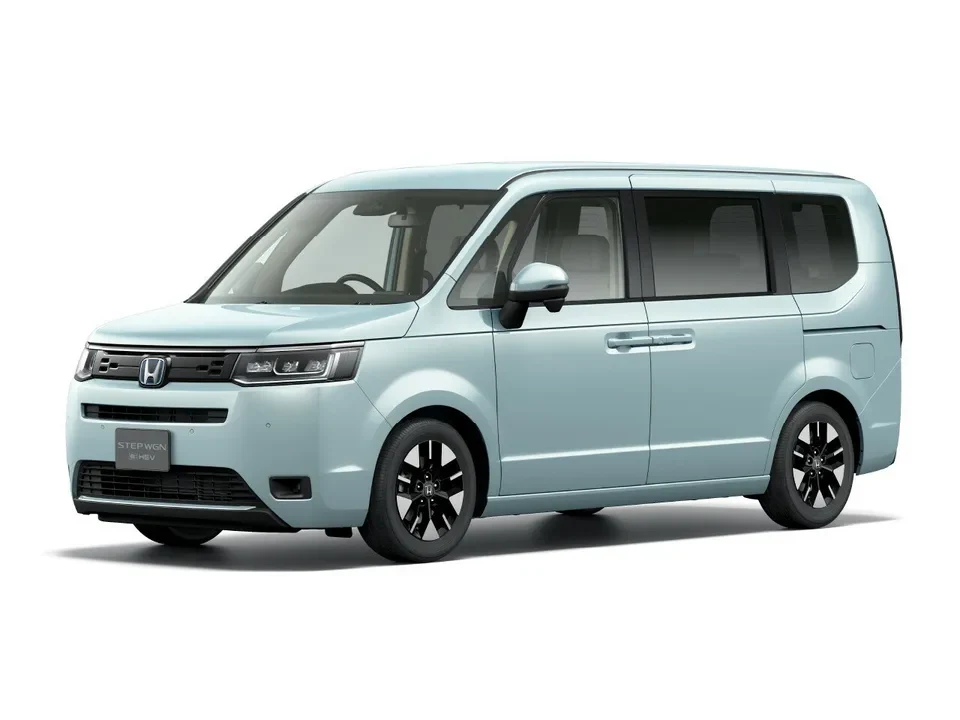
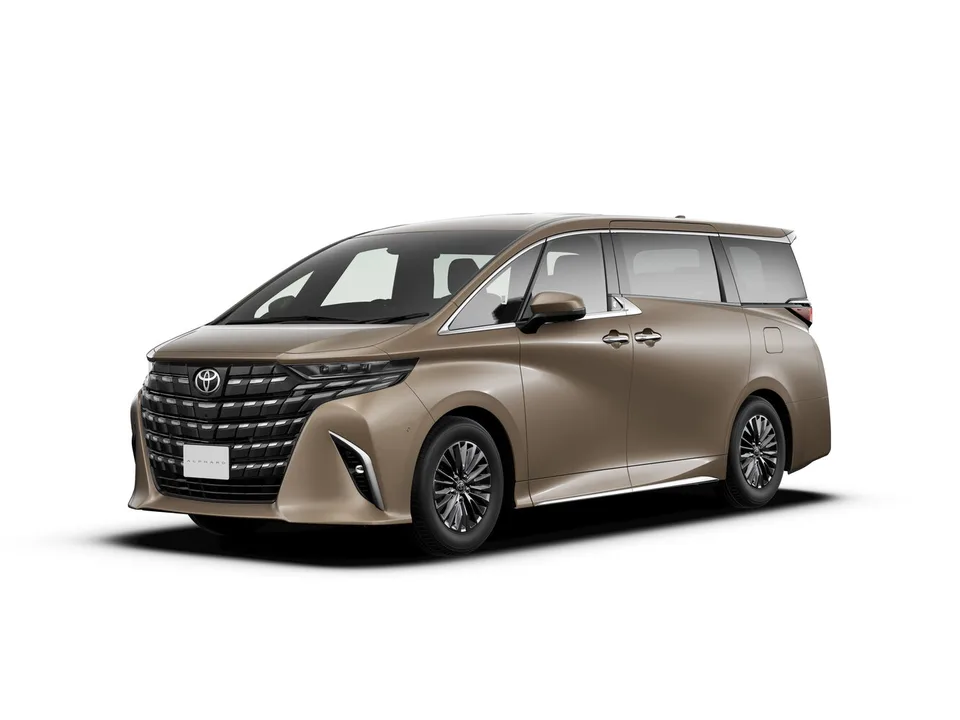
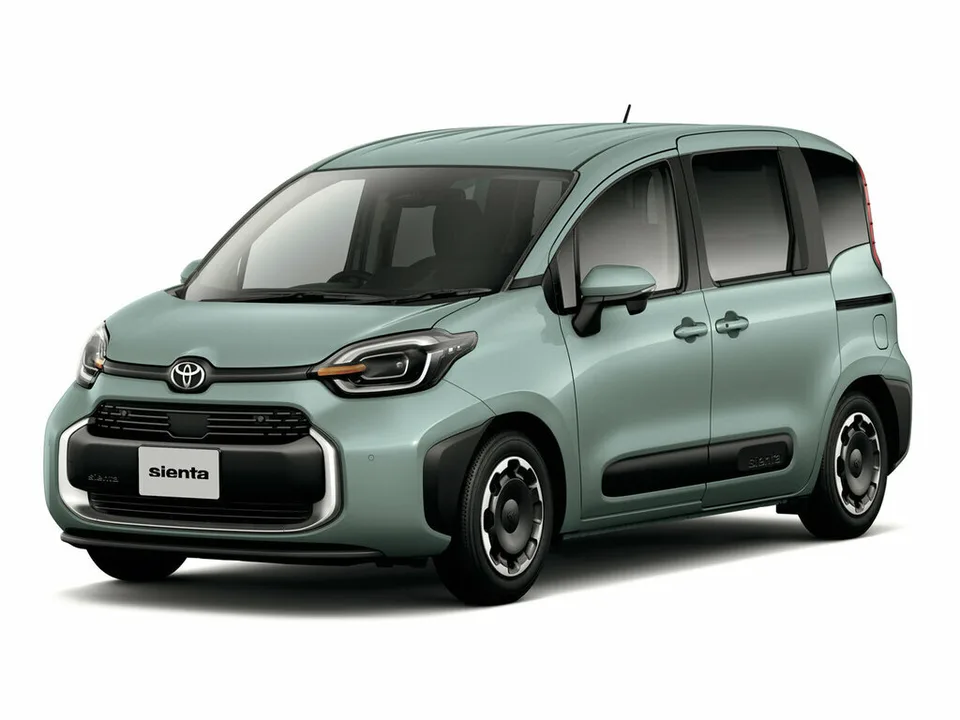
For an everyday family car, the 3ZR-FAE is the most reasonable: it is on all petrol Voxy 2010-2021 years and is simple in design; the difference between the R70 after the update and the R80 here is more in the body and interior than in the engine. The first-generation 1AZ-FSE is a direct-injection engine from the early two thousands, and here age is more important than mileage. The 2ZR-FXE hybrid is noticeably more economical in the city, but in the R80 it is only front-wheel drive: if you need all-wheel drive and a hybrid at once, this is only the fourth-generation ZWR95W; For snowy regions, among the more affordable cars, the petrol ZRR85 remains. The number of seats is selected separately from the engine: seven-seater versions give separate seats and an aisle between them, eight-seater versions give a sofa and more passengers. Neighbors in the class are analyzed in the articles about Nissan Serena and Honda Stepwgn, a larger minivan in the analysis of the Toyota Alphard, a smaller one in the article about the Toyota Sienta; the general selection is on the page of family cars from Japan.
Photo sources: Wikimedia Commons – R90 (2022): Tokumeigakarinoaoshima, CC BY-SA 4.0 (frame scaled without cropping; derivatives under the same conditions).